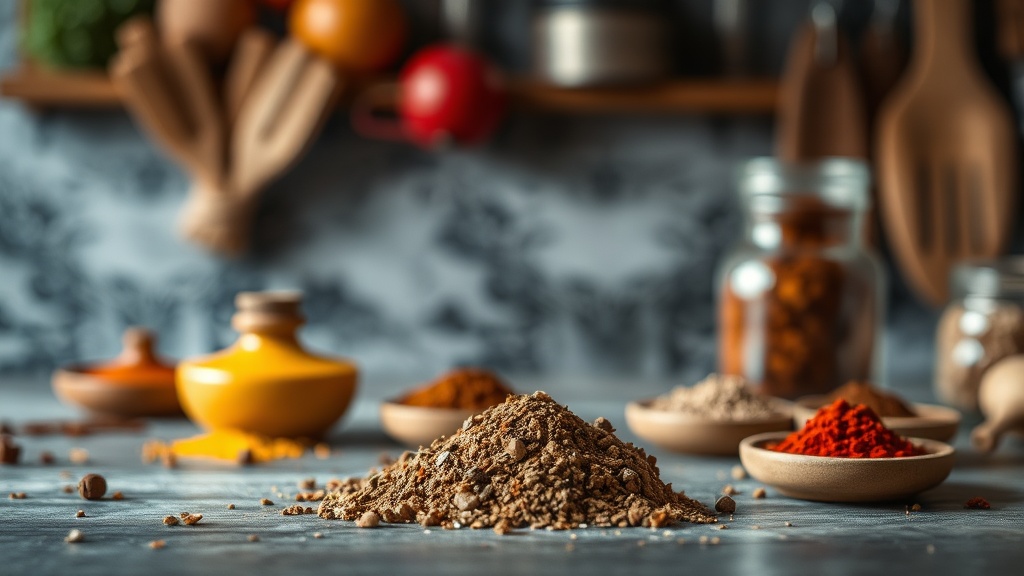
Stop Letting Your Spices Lose Their Punch

The scent of a freshly opened jar of cardamom or toasted cumin should hit you like a physical weight in the air. Instead, many home cooks open their spice tins to find nothing but a dusty, inert scent—or worse, no scent at all. Spices are the volatile soul of a dish, but they are also incredibly fragile. Heat, light, oxygen, and moisture are the four horsemen of spice degradation. If you aren't managing these variables, your expensive organic saffron or high-grade cinnamon is just expensive colored powder.
This guide breaks down the science of spice degradation and provides a practical system for keeping your pantry potent. We'll look at the physics of flavor, how to store specific categories of spices, and when it's time to stop saving money and just buy a new jar.
How Do You Store Spices to Keep Them Fresh?
The best way to store spices is in an airtight, opaque container kept in a cool, dark place away from any heat sources. Most people make the mistake of keeping their spices right above the stove or on a windowsill. That's a death sentence for flavor. The heat from your oven and the UV rays from the sun break down the essential oils—the tiny, aromatic compounds that actually provide the flavor—at an accelerated rate.
Think of your spices like a high-end camera lens or a fine piece of architectural steel. If you leave them in the sun, they degrade. The same applies to a jar of smoked paprika.
Here is a breakdown of the ideal environments for different spice types:
| Spice Category | Ideal Environment | Common Mistake |
|---|---|---|
| Whole Spices (Peppercorns, Cloves) | Cool, dark, airtight container | Grinding them too far in advance |
| Ground Spices (Cumin, Cinnamon) | Airtight glass or metal | Storing in plastic bags |
| Dried Herbs (Thyme, Oregano) | Dry, dark pantry | Keeping near the stove or steam |
| Liquid Spices (Vanilla, Liquid Smoke) | Room temperature, dark glass | Storing in the refrigerator |
If you use a lot of high-end ingredients, you might already be noticing issues with your liquids. If you've noticed a lack of depth in your desserts, you might want to check why your vanilla extract tastes weak or artificial before you blame the recipe.
How Long Do Spices Actually Last?
Ground spices generally stay potent for about six to twelve months, while whole spices can last two to three years if kept properly. It isn't a matter of safety—spices rarely "go bad" in a way that will make you sick—but a matter of flavor. A spice that has lost its volatile oils won't kill you, but it will make your food taste flat and uninspired.
I often tell my students in the kitchen that a spice's lifespan is determined by its surface area. A whole nutmeg is a powerhouse of flavor that can sit in a jar for years. Once you grate that nutmeg into a fine powder, you've exposed a massive amount of surface area to oxygen. The clock starts ticking much faster.
The process of oxidation is what eventually turns your vibrant spices into dull dust. To test if your spices are still worth using, try the "Sniff Test." Rub a small amount of the spice between your fingers to warm it up, then take a deep breath. If you can't smell a distinct, sharp aroma, it's time to toss it.
The Three Stages of Spice Decay
- The Fading Stage: The color looks slightly muted, and the aroma is faint. It's still usable, but you'll need to use more to get the same result.
- The Flat Stage: The spice has lost its "punch." It adds color to the food but zero character. This is when you should replace it.
- The Dead Stage: The spice is a fine powder with no scent and a dusty texture. It is effectively useless.
Why Should I Buy Whole Spices Instead of Ground?
Buying whole spices is the single most effective way to ensure your cooking has depth because whole spices are protected from oxygen and light until the moment you grind them. When you buy pre-ground spices, you are buying a product that has already begun the process of degradation. The surface area is maximized, and the essential oils are already evaporating.
In a professional kitchen, we rarely use pre-ground spices for anything other than a quick seasoning. If I'm making a complex curry or a spiced cake, I want the control. I want to grind the coriander or the peppercorns right before they hit the pan. This ensures that the volatile compounds are at their peak when they hit the heat.
It's a bit more work, sure. It requires a grinder or a mortar and pestle. But the difference in the final dish is massive. It’s the difference between a dull, one-note dish and something that feels alive. If you're already meticulous about your pantry, you might also be interested in why your salted butter might be affecting your flavor profiles—it's all about how small details build a finished plate.
Here's the thing: many people think buying whole spices is more expensive. In the long run, it's actually the opposite. Whole peppercorns or whole cinnamon sticks are much cheaper per ounce than their ground counterparts because you aren't paying for the labor of grinding and the loss of potency. You're buying a more stable, long-term ingredient.
If you're looking for a way to start, get a high-quality pepper mill from a brand like Peugeot or a sturdy ceramic grinder. A good mill is an investment in your food's soul. It's one of those tools that, once you use it, you'll wonder how you ever cooked without it.
One quick tip: don't store your spices in the refrigerator. The constant opening and closing of the door creates temperature swings and introduces moisture. This is a recipe for clumping and mold. Keep them in a cool, dry cupboard—perhaps in a pantry rather than on the counter.
If you're working with delicate herbs, remember that they are even more sensitive than heavy spices like cloves or cinnamon. Dried herbs like basil or parsley lose their green color and their flavor very quickly once they are crushed. Keep them whole until you absolutely need to break them down.
The goal isn't just to have a full spice rack. The goal is to have a potent one. When you treat your spices with the same respect you'd give a fine bottle of wine or a high-quality piece of meat, your cooking will reflect that. Stop settling for "fine" and start aiming for "vibrant."