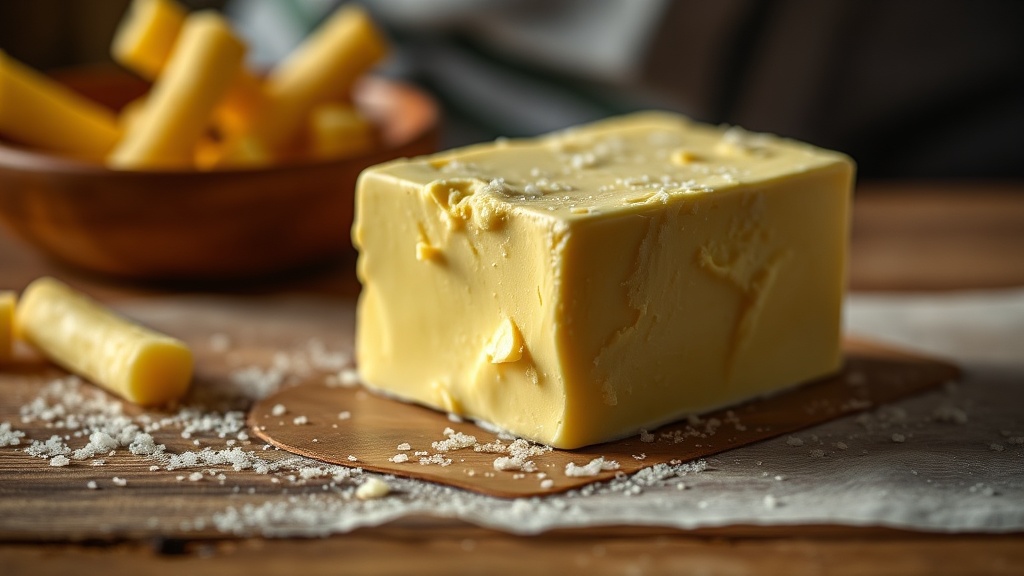
Is Your Salted Butter Actually Better?

A diner at a high-end bistro reaches for a piece of warm, crusty sourdough. They spread a thick layer of cultured butter across the crumb, but the flavor feels strangely flat—almost hollow. The chef, watching from the pass, knows exactly why. It isn't the bread. It isn't the oven temperature. It's the fact that the kitchen reached for a standard tub of salted butter instead of a high-fat, cultured variety. This post explores the chemical and culinary differences between salted and unsalted butter, the science of fat content, and how your choice of fat dictates the success of your baking and cooking.
Most home cooks treat butter as a binary choice: salted or unsalted. In reality, butter is a complex emulsion of water, fat, and milk solids that behaves differently depending on how it's processed. If you've ever wondered why a recipe calls for unsalted butter specifically, it's usually because the chef wants total control over the sodium levels. Salt isn't just a seasoning; it's a chemical tool that affects moisture retention and protein structure.
Does Salted Butter Change the Flavor of Food?
Salted butter provides a more immediate, punchy flavor profile because the sodium ions interact directly with your taste buds to highlight sweetness and richness. When you use salted butter in a recipe, you're adding a layer of seasoning that can mask the subtle nuances of high-quality dairy. It's great for a quick toast, but it can be a problem in delicate pastry work.
Think about a classic shortbread cookie. If you use a heavy, salt-forward butter like Kerrygold, the salt becomes a dominant note. While many people love that "salted caramel" vibe, it can drown out the delicate scent of real vanilla. If you've ever struggled with why your vanilla extract tastes weak or artificial, it might be because your fats are working against your aromatics. A high-salt environment can sometimes create a sensory clash where the saltiness overwhelms the delicate floral notes of the vanilla.
The science here is simple. Salt suppresses bitterness and enhances sweetness, but too much of it in a dough can disrupt the way sugar interacts with the flour. In professional kitchens, we use unsalted butter as a baseline. This allows us to build the flavor profile from the ground up—starting with the flour, then the sugar, and finally the precise amount of sea salt required to make the flavors pop.
The Role of Fat Content and Water
It isn't just about the salt; it's about the water. Standard grocery store butter often has a higher water content than the high-fat European-style butters you see in specialty shops. This is a massive distinction. When you're making a pastry, water is the enemy of a crisp, flaky crust. If there's too much water in your butter, that moisture turns to steam during baking, which can lead to a soggy or overly heavy texture.
If you've ever dealt with a situation where your sourdough crust is too soft and soggy, you might be looking at your moisture levels. While bread dough is a different beast, the principle of moisture management in fats is identical. High-fat butter (usually 82% or higher) provides a much more stable structure for laminating doughs like croissants or puff pastry.
Here is a breakdown of how different types of butter behave in the kitchen:
| Butter Type | Typical Fat Content | Best Use Case | Flavor Profile |
|---|---|---|---|
| Standard American Butter | ~80% | Everyday cooking, sautéing | Mild, slightly milky |
| European-Style (e.g., Plugra) | ~82-85% | Pastry, laminated doughs | Rich, nutty, complex |
| Cultured Butter | ~84%+ | Finishing, bread spreading | Tangy, deep, fermented |
| Clarified Butter (Ghee) | ~99% | High-heat searing | Nutty, toasted |
How Much Salt is in Salted Butter?
The amount of salt in salted butter varies wildly by brand, typically ranging from 1% to 2% of the total weight. Because there is no universal standard for "salted" content, using it in a recipe is a gamble. One brand might be quite subtle, while another might hit you with a salt spike that ruins a delicate custard.
This variability is why professional pastry chefs almost exclusively use unsalted butter. They need to know exactly how much salt they are adding to a recipe. If a recipe calls for 1/2 teaspoon of fine sea salt and you use a very salty brand of butter, you've effectively doubled the seasoning. This can lead to a "flat" sensation on the tongue, where the saltiness actually masks the richness of the fats rather than enhancing it.
For those who want to understand the chemistry of how salt interacts with proteins, the Wikipedia entry on sodium chloride offers a deep dive into how ions behave in aqueous solutions. In a dough, salt doesn't just add flavor; it also strengthens the gluten network. If you use salted butter in a bread recipe, the salt in the butter will interact with the flour's proteins, potentially making the dough feel tougher or more elastic than intended.
When to Use Salted Butter
There are times when salted butter is actually the superior choice. If you are making a simple grilled cheese or a basic pan sauce, the salt provides an immediate lift. It's the "cheat code" for flavor. If you're searing a steak in a cast-iron skillet, a knob of salted butter at the end of the process adds a much-needed savory punch that unsalted butter might lack unless you season it yourself.
Use salted butter when:
- You're making a quick, savory topping for toast or vegetables.
- You're making a pan sauce where you want instant seasoning.
- You're cooking with high heat and want to add flavor at the very end.
- The recipe specifically calls for it to add a "pop" to a savory dish.
Conversely, stick to unsalted or high-fat cultured butter when:
- You are baking delicate pastries like macarons or shortbread.
- You are making a custard or a crème brûlée where sweetness is the star.
- You are laminating dough (croissants, danish) and need precision.
- You want to control the exact salt-to-fat ratio in a complex recipe.
The texture of your butter also matters. Cold, unsalted butter is much easier to "cube" for pie crusts, which is vital for creating those distinct, flaky layers. Salt can actually affect the way fat melts and integrates with flour, so for the most consistent results, keep your salt and your fat as separate variables until the very end.
If you're looking for the best results, I recommend keeping a high-quality, cultured unsalted butter—like Lurpak or Kerrygold Unsalted—on hand for your baking, and a salted version for your daily breakfast. It's a small investment that makes a massive difference in the final output of your cooking. Whether you're trying to master a delicate sauce or just want a better piece of toast, knowing the difference between these fats will change how you approach your kitchen.