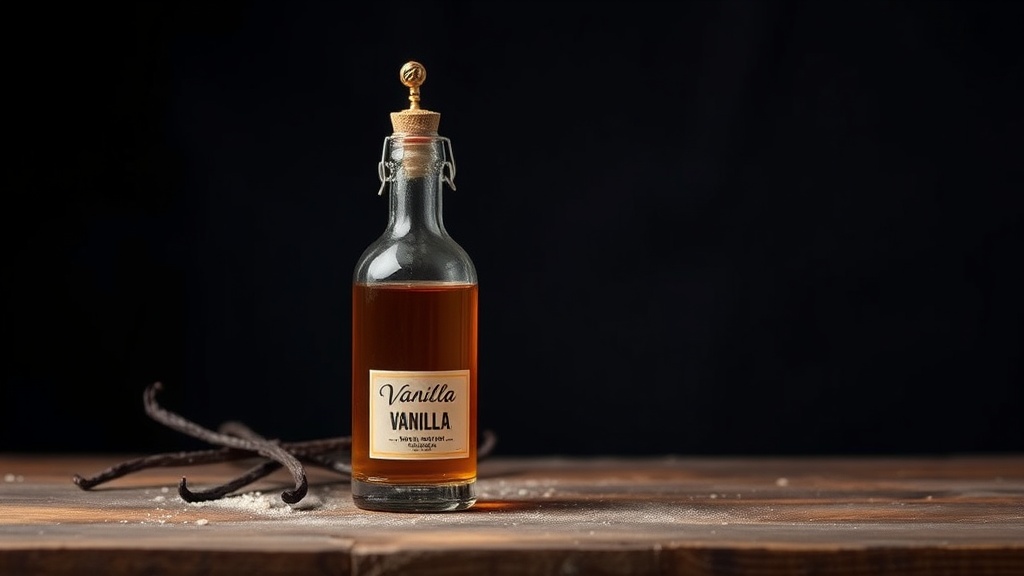
Why Your Vanilla Extract Tastes Weak or Artificial

The bottom of a standard grocery store vanilla bottle often reveals a translucent, pale liquid that lacks any visible particulates. When you add this to a custard or a cake batter, the resulting flavor profile frequently leans toward a one-dimensional sweetness rather than the complex, woody, or floral notes expected from high-quality baking. This post explains the chemical and structural reasons why your vanilla extract might taste weak or artificial, the difference between varying grades of extraction, and how to select a product that actually enhances your recipes.
The Chemistry of Vanillin and Flavor Complexity
Vanilla flavor is not a single note; it is a complex chemical profile comprised of hundreds of different compounds. While vanillin is the primary molecule responsible for that recognizable "vanilla" scent, it is only one piece of the puzzle. High-quality extracts contain secondary compounds like acetovanillic acid, p-hydroxybenzaldehyde, and various esters that provide depth, spice, and even a hint of smoke. When you use an inferior product, you are often consuming a synthetic approximation of vanillin without these supporting molecules.
The "artificial" taste most home bakers encounter is usually the result of vanillin produced in a laboratory rather than extracted from a Vanilla planifolia bean. Synthetic vanillin is chemically identical to the vanillin found in nature, but it lacks the botanical "noise"—the tiny imperfections and complex organic compounds—that make real vanilla taste nuanced. If your extract smells like a candle or a cheap candy rather than a deep, earthy spice, you are likely dealing with a product that relies heavily on synthetic additives.
The Role of the Solvent
The liquid in your bottle is just as important as the beans themselves. This solvent, or vehicle, carries the flavor from the bean into your food. There are three primary types of vanilla liquid, each affecting the final texture and flavor profile of your bake:
- Alcohol-Based Extract: This is the standard in professional kitchens. The high alcohol content (usually 35% ABV or higher) acts as a highly efficient solvent for extracting the non-polar compounds in the vanilla bean. It also provides a clean finish, as the alcohol evaporates quickly during baking.
- Vanilla Paste: This is a thick, viscous substance that contains both the liquid extract and the actual seeds (the tiny black specks) from the bean. It is excellent for visual appeal in frostings or panna cotta, but because it is denser, it may not distribute as evenly in high-heat applications.
- Vanilla Bean Powder: This is essentially dehydrated and ground bean. While potent, it can introduce a grainy texture to delicate creams if not sifted properly.
Why Your Extract Might Seem "Weak"
If you find that your vanilla isn't "popping" in your recipes, the issue is rarely your technique and usually the quality or age of your ingredients. Just as expensive olive oil can go rancid and lose its character, vanilla extract can degrade if improperly stored.
Oxidation and Light Exposure
Vanilla compounds are sensitive to light and oxygen. If you store your vanilla in a clear glass bottle on a sunny countertop, the UV rays will break down the complex organic molecules, leaving you with a flat, one-note liquid. Always store your extracts in a cool, dark pantry. If you purchased a beautiful, clear bottle of vanilla, consider transferring it to an amber glass bottle to preserve its chemical integrity.
The Concentration Factor
Many "imitation" vanillas are actually just flavored syrups. These are heavy in sugar and water, which dilutes the actual vanillin concentration. A true extract should have a high concentration of alcohol to ensure the flavor survives the high temperatures of an oven. If you are making a recipe that requires a significant amount of vanilla—such as a vanilla bean crème brûlée—a diluted, sugar-heavy imitation will fail to stand up to the heat of the torch and the richness of the heavy cream.
How to Read a Label Like a Professional
To avoid the trap of artificial flavors, you must become an expert at reading the ingredient list. The marketing on the front of the bottle is secondary to the technical data on the back. Look for these specific markers of quality:
- The Ingredient List: A high-quality pure vanilla extract should have very few ingredients. Ideally, it should only list Vanilla Extract (which is a combination of vanilla beans and alcohol) and perhaps a tiny amount of water. If you see "Vanillin," "Artificial Flavor," or "Caramel Color," put it back.
- The Percentage of Bean: While not always required, some premium brands will list the percentage of actual vanilla bean used. The higher the percentage, the more complex the flavor profile.
- The Alcohol Content: Look for an alcohol percentage of at least 35%. This ensures the solvent is strong enough to have captured the full spectrum of the bean's volatile compounds.
Bourbon Vanilla vs. Tahitian Vanilla
Understanding the origin of your vanilla will help you troubleshoot why a flavor might feel "off" for a specific recipe. Different regions produce different chemical profiles:
- Madagascar Bourbon Vanilla: This is the industry standard. It is rich, creamy, and slightly woody. It is the most versatile and is the best choice for heavy batters, cookies, and cakes where you want a deep, comforting warmth.
- Tahitian Vanilla: This variety is much more floral and fruity. It has a distinct scent of cherry or jasmine. While spectacular in light creams or fruit-based desserts, it can sometimes taste "out of place" in a heavy, spiced gingerbread or a dark chocolate cake.
- Mexican Vanilla: Often more spicy and slightly more acidic, this is an excellent middle ground for recipes that require a bit of a "kick" to balance out heavy fats.
Practical Tips for Maximizing Vanilla Flavor
Even with the best ingredients, how you incorporate vanilla into your workflow determines how much of that expensive flavor actually reaches the palate. Follow these technical steps to ensure you aren't wasting your high-quality extracts.
Temperature and Timing
Vanilla is highly volatile, meaning its aromatic compounds evaporate easily when exposed to heat. If you add vanilla to a boiling liquid, much of the flavor will vanish into the steam before the dish even reaches the table. To prevent this, add your vanilla extract during the "cooling" phase of a recipe. For example, in a custard or a pudding, whisk the vanilla in once the mixture has come off the heat but is still warm. This allows the alcohol to carry the aroma into the fat of the cream without the rapid evaporation caused by boiling.
The Fat Connection
Vanilla is fat-soluble. This is a crucial technical detail. The flavor molecules bond most effectively with lipids (fats). This is why vanilla is so effective in butter-based cakes, heavy creams, and egg yolks. If you are working with a water-based or low-fat recipe, the vanilla will have a much harder time "sticking" to the palate, often resulting in a flavor that feels thin or fleeting. If you want to boost the presence of vanilla in a low-fat recipe, consider using a vanilla bean paste, which provides more physical particulate to coat the mouth.
The "Salt" of the Sweet World
Just as a pinch of salt enhances the savory notes in a steak, a high-quality vanilla acts as a flavor enhancer for sugar. If your vanilla tastes "weak," check your salt levels. A lack of salt can make a dessert taste flat, which in turn makes the vanilla feel underwhelming. A tiny amount of fine sea salt will actually help bridge the gap between the sweetness of the sugar and the complex, earthy notes of a high-quality Madagascar Bourbon vanilla.
By moving away from cheap, synthetic imitations and understanding the chemical relationship between the solvent, the fat, and the temperature, you can transform your baking from mediocre to professional. Stop settling for "vanilla scent" and start looking for true, complex vanilla flavor.