Why Your Searing Meat Is Not Getting a Crust

The science of the sear
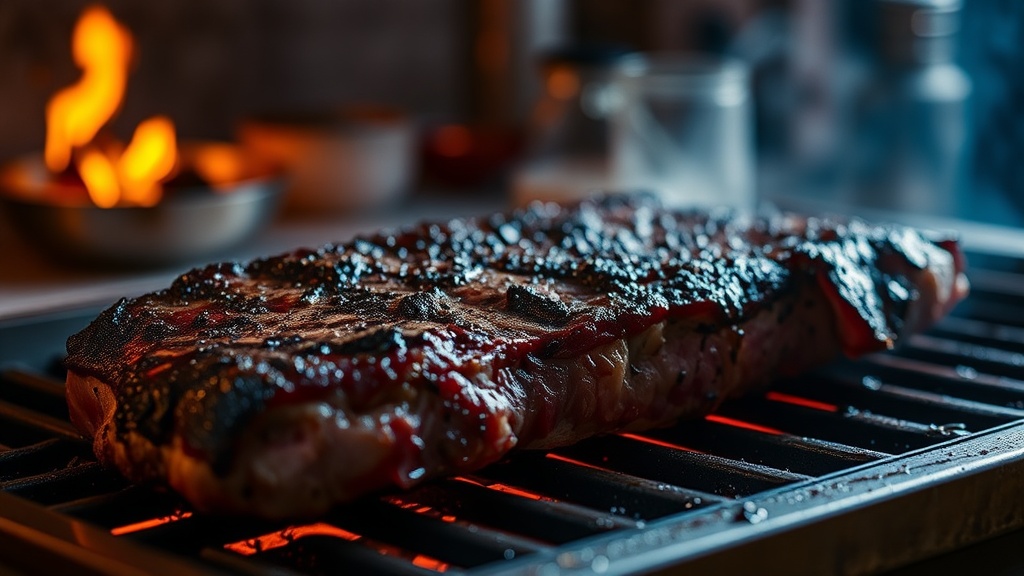
Most home cooks believe that a high flame is the secret to a perfect crust, but the truth is that heat alone is rarely the culprit. If you are producing grey, steamed meat instead of a deep, mahogany-colored crust, you are likely struggling with moisture management or thermal regulation rather than a lack of heat. This guide breaks down the three physical barriers to a perfect sear: surface moisture, pan temperature, and oil stability. Understanding these technical variables will allow you to move beyond guesswork and achieve consistent, restaurant-quality results in your own kitchen.
A successful sear relies on the Maillard reaction. This is a chemical reaction between amino acids and reducing sugars that creates hundreds of different flavor compounds and that characteristic browned color. For this reaction to occur effectively, you must overcome the energy barrier of evaporating surface water before the temperature of the meat can rise above 212°F (100°C). If the surface is wet, the energy from your pan is being spent on evaporation rather than browning, resulting in a boiled texture.
The moisture problem
The most common mistake occurs before the meat even touches the pan. If you take a steak directly from a vacuum-sealed package or a butcher's tray and drop it into a skillet, you have already doomed the crust. The thin film of liquid on the surface acts as a thermal insulator and a cooling agent.
To prevent this, follow these three steps:
- Pat it dry: Use heavy-duty paper towels to blot the meat on all sides. Do not just "wipe" it; press the towels into the protein to absorb as much surface moisture as possible.
- Air-dry in the fridge: For the best results, place your protein on a wire rack over a rimmed baking sheet and leave it uncovered in the refrigerator for two to four hours (or even overnight). This "dry brining" process allows the air to desiccate the surface, creating a parchment-like skin that browns instantly.
- Salt timing: Salt draws moisture out of meat via osmosis. If you salt your meat and let it sit for ten minutes without a high-heat environment, you will see beads of moisture forming on the surface. Either salt the meat immediately before it hits the pan, or salt it at least 45 minutes in advance to allow the salt to dissolve and be reabsorbed into the muscle fibers.
Thermal mass and pan selection
A common error is using a pan that lacks the thermal mass to recover its temperature once the meat is added. When a cold, heavy object like a 16-ounce ribeye hits a pan, the temperature of the metal drops instantly. If your pan cannot recover that heat quickly, the meat will begin to simmer in its own juices.
The choice of cookware is non-negotiable for searing. Avoid thin aluminum pans or non-stick surfaces for high-heat tasks. Non-stick coatings are often designed for low-to-medium heat and can actually break down or release fumes if pushed to searing temperatures. Instead, use one of the following:
- Cast Iron: The gold standard for home cooks. A seasoned Lodge or Le Creuset cast iron skillet retains immense heat and provides a consistent surface for the Maillard reaction.
- Stainless Steel: A heavy-bottomed All-Clad or similar tri-ply stainless steel pan is excellent for developing a "fond"—the caramelized bits at the bottom of the pan. This fond is essential if you plan to make a pan sauce later.
- Carbon Steel: This offers a middle ground between the heat retention of cast iron and the responsiveness of stainless steel, making it ideal for smaller cuts like scallops or thin steaks.
Before adding the meat, ensure the pan is not just "hot," but "searing hot." A practical test is the Leidenfrost effect: drop a small bead of water onto the dry pan. If the water sits and sizzles, the pan is too cool. If the water instantly dances and evaporates into a single bead that skitters across the surface, you have reached the ideal temperature for searing.
Choosing the right fat
You cannot use just any oil for a sear. Every fat has a "smoke point"—the temperature at which it begins to break down and produce acrid smoke. If you use extra virgin olive oil or butter for a high-heat sear, you will end up with a bitter, burnt flavor and a smoky kitchen. If you find your pan is smoking excessively, you may be experiencing garlic or oil burning, which ruins the nuance of the meat.
For a high-heat sear, you need fats with high smoke points and neutral flavors. Recommended options include:
- Grapeseed Oil: Highly versatile with a smoke point around 420°F. It is a favorite in professional kitchens for its neutrality.
- Avocado Oil: One of the highest-performing oils available, with a smoke point near 520°F. This is the safest bet for extremely high-heat applications.
- Clarified Butter (Ghee): If you want the flavor of butter without the risk of burning, use ghee. Because the milk solids have been removed, it can withstand much higher temperatures than standard salted butter.
A professional technique is the "hybrid" approach: start the sear with a high-smoke-point oil like grapeseed to build the initial crust, then drop the heat slightly at the end to add a knob of unsalted butter, crushed garlic, and fresh thyme. This allows you to "baste" the meat, adding deep, aromatic flavor without the risk of burning the butter solids during the initial high-heat phase.
Crowding the pan
Even if your pan is hot and your meat is dry, you can still fail if you crowd the pan. This is a fundamental principle of thermodynamics. When you place too many pieces of meat in the pan at once, you are introducing too much moisture and too much mass for the pan to handle. The temperature drops, the steam rises, and you end up poaching the meat in a liquid bath rather than searing it.
To avoid this, cook in batches. If you are searing four chicken thighs in a 10-inch skillet, you likely only have room for two at a time if you want a true crust. It is better to spend more time cooking in multiple rounds than to settle for a mediocre, grey result in one round. This also ensures that the pan's surface area is utilized efficiently, maintaining the heat necessary for the Maillard reaction to continue uninterrupted.
Summary checklist for a perfect sear
To ensure you never face a grey steak again, run through this technical checklist before you turn on the stove:
- Is the meat dry? Pat with paper towels or air-dry in the fridge.
- Is the pan heavy? Use cast iron or stainless steel for maximum thermal mass.
- Is the oil stable? Use avocado or grapeseed oil; avoid extra virgin olive oil or standard butter for the initial sear.
- Is the pan hot enough? Test with the water bead method.
- Am I crowding the pan? Leave space between pieces of meat to allow steam to escape.
By treating the sear as a controlled chemical reaction rather than a matter of "cooking hard," you gain total control over the texture and flavor of your proteins. The crust is not an accident; it is the result of managing moisture, heat, and fat with precision.