Does Your Honey Have Actual Flavor or Just Sugar?

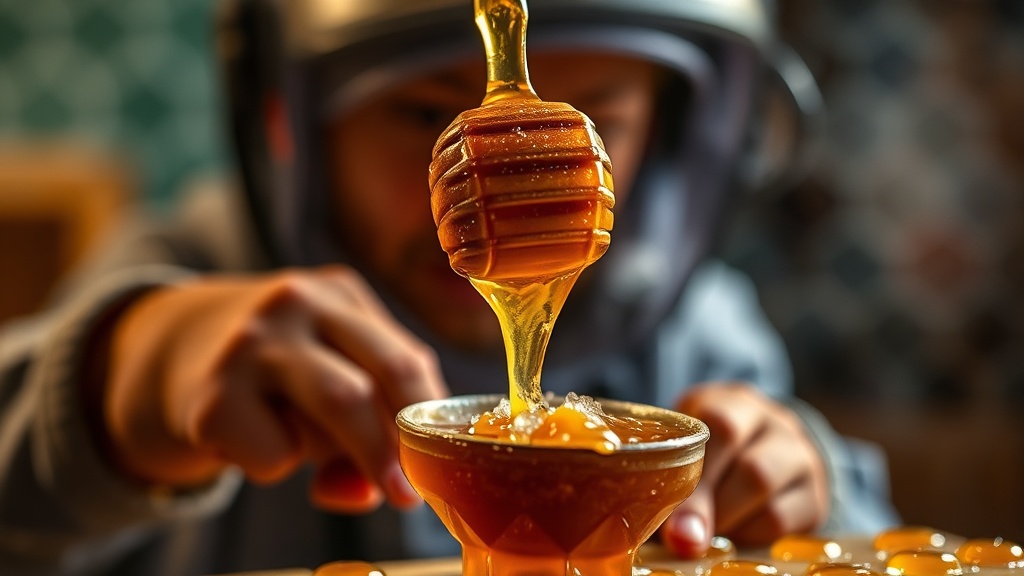
A single spoonful of clear, pale liquid drips from a wooden dipper, hitting the surface of a tea cup with a heavy, viscous thud. It doesn't just sit there; it settles, thick and slow, catching the light like molten amber. Most people treat honey as a generic sweetener—a commodity found in plastic squeeze bottles on a grocery shelf—but that's a mistake. This post explores the staggering gap between industrial "honey-flavored" syrups and true, varietal honey, and why the distinction matters for your cooking and your palate.
Honey isn't just sugar water. It is a biological record of a specific place, a specific time, and a specific set of flowers. When you buy a generic brand, you're often buying a blend of low-grade nectar that lacks any character. But when you find a high-quality, single-origin honey, you're tapping into a complex profile of floral, earthy, or even spicy notes. It's the difference between a cheap, mass-produced candle and a hand-poured beeswax candle that smells like a blooming garden.
What Is the Difference Between Honey and Honey Alternatives?
True honey is a natural substance produced by honeybees (Apis mellifera) through the nectar of flowers, whereas many "honey" products in stores are actually high-fructose corn syrup flavored with honey essence. If you look closely at the labels in the baking aisle, you'll see names like "honey flavor" or "honey syrup." These aren't honey. They are chemically engineered to mimic the sweetness but will never provide the depth of a real product.
Real honey contains trace amounts of enzymes, pollen, and minerals that give it its soul. It's the chemistry of the bee that makes it work. For instance, the enzyme glucose oxidase is what creates the natural antibacterial properties found in high-quality honey. If you're looking for a deep dive into how sugar structures affect your baking, you might want to check out why your vanilla extract might taste weak, as the same principles of purity and extraction apply to both.
I remember sitting in a small kitchen in the Loire Valley, watching a chef drizzle a dark, almost bitter buckwheat honey over a dish of goat cheese. It wasn't just a sweetener; it was a structural component of the dish. It cut through the fat of the cheese and provided a bitter edge that kept the palate awake. You don't get that with a squeeze bottle of clover honey from a big-box store.
The Flavor Profiles of Common Honey Types
The flavor of honey is dictated by the "floral source"—the specific plant the bees visited. This is why honey can taste like anything from a bright citrus grove to a dark, damp forest floor. Here is a breakdown of what to expect from the most common varieties:
- Clover Honey: The standard. It's mild, sweet, and very light. It’s a reliable workhorse for everyday baking but lacks any real "personality."
- Buckwheat Honey: This is the heavy hitter. It's dark, thick, and tastes like molasses or even dark chocolate. It's perfect for hearty grains or heavy sauces.
- Orange Blossom Honey: Bright and citrusy. It has a high-toned aroma that works beautifully with delicate pastries or light teas.
- Wildflower Honey: This is a variable blend. Depending on the season, it can be anything from floral to herbal. It’s unpredictable, which is part of its charm.
- Manuka Honey: Often more of a medicinal product than a culinary one. It has a distinct, earthy, almost medicinal profile and is prized for its high antioxidant content.
How Can You Tell If Honey Is Real or Fake?
You can check the authenticity of honey by looking for crystallization and checking the label for pure ingredients. Real honey is a supersaturated solution of sugars, which means it should eventually crystallize. If your honey stays liquid forever and looks perfectly clear and translucent, it might have been highly processed or diluted with corn syrup.
A quick way to test this at home is the "water test." Drop a spoonful of honey into a glass of water. Pure honey will sink to the bottom in a solid mass. If it starts to dissolve and swirl immediately, it’s likely been diluted or is an imitation. However, don't rely solely on this—modern food science can make fakes that pass simple home tests. The best way to ensure quality is to buy from brands that provide transparency about their sourcing and harvesting processes.
According to the Food and Agriculture Organization, honey-imitation is a global issue, with many products being diluted with rice or cane syrups. This is why I always look for the "Raw" label. Raw honey hasn't been heat-treated to the point of destroying its delicate enzymes and flavor compounds. It might even have a bit of sediment at the bottom—that's actually a good sign. It means the pollen is still there.
| Honey Type | Color | Dominant Flavor | Best Use Case |
|---|---|---|---|
| Clover | Pale Gold | Mild/Sweet | Pancakes, Tea, General Baking |
| Orange Blossom | Light Yellow | Citrus/Floral | Lemon Cakes, Light Glazes |
| Buckwheat | Dark Brown | Molasses/Earth | Oatmeal, Savory Glazes, Cheese |
| Lavender | Clear/Pale | Herbal/Floral | Cocktails, Infused Syrups |
If you're using honey in a recipe that requires precision, like a delicate sponge cake, the sugar content and moisture levels are vital. If you use a heavy, dark buckwheat honey where a light clover honey was intended, you'll change the color and the structural integrity of the bake. It’s a common pitfall. It's a lot like using salt—too much or the wrong kind, and the whole thing is ruined.
Does Honey Crystallize and Is It Bad?
Honey crystallizes when the glucose separates from the water and forms crystals, which is a natural process and not a sign of spoilage. If your honey has turned solid or grainy, don't throw it away. It hasn't gone bad; it's just undergoing a physical change. This is actually a mark of a less-processed, more "honest" product.
To fix it, you don't need to microwave it (which can kill the beneficial enzymes and ruin the flavor). Instead, place the jar in a warm water bath. Set the jar in a bowl of warm—not boiling—water and let the heat gently melt the crystals back into a liquid state. It takes patience, but it preserves the integrity of the honey. It’s a slow process, much like the way a good sourdough starter develops over days of feeding.
A lot of people get nervous when they see that cloudy, semi-solid texture. They think it's "old" or "spoiled." In reality, the more "raw" the honey is, the more likely it is to crystallize. If you're using a high-end brand like Beekman 1802 or a local apiary's product, expect that texture. It's a sign of quality, not a defect. It's the culinary equivalent of a perfectly aged cheese—the texture tells a story.
When you're cooking, remember that honey is a living ingredient. It reacts to heat, it reacts to moisture, and it reacts to the specific flowers it came from. Treat it with a bit of respect, and it will do much more than just make things sweet. It will give your food a sense of place and a depth that a simple white sugar ever could.
Next time you're standing in the baking aisle, skip the plastic squeeze bottle. Look for the jar that mentions a specific region or a specific flower. Your palate—and your recipes—will thank you.