7 Heirloom Grains That Will Transform Your Texture Game

Farro: The Chewy Italian Classic
Teff: The Tiny Powerhouse from Ethiopia
Quinoa: The Protein-Packed Staple
Freekeh: Smoky and Robust
Amaranth: The Ancient Tiny Grain
Wild Rice: Earthy and Textural
Spelt: A Nutty Wheat Alternative
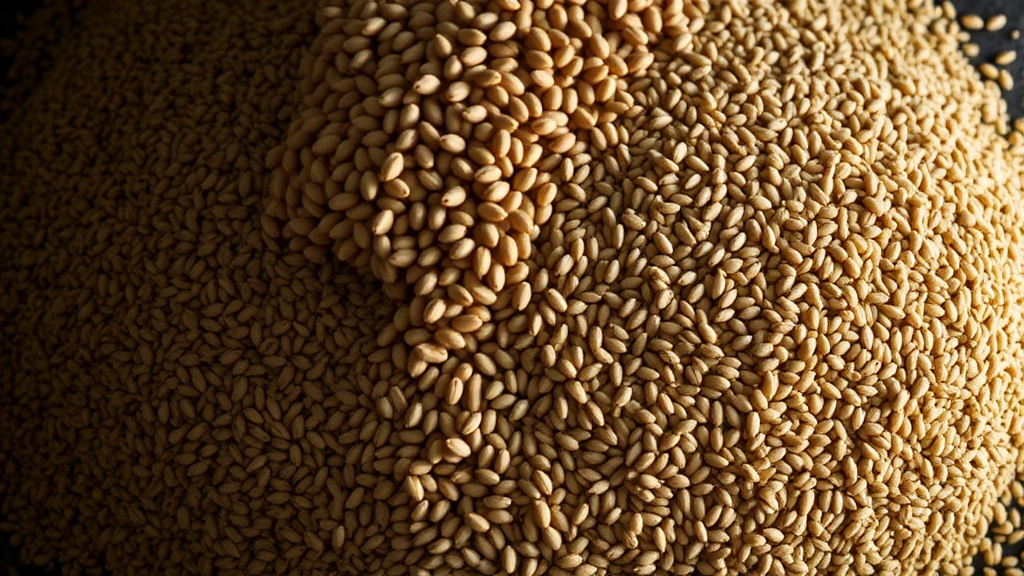
A single grain of farro sits in a shallow ceramic bowl, its surface matte and slightly irregular. When boiled, it doesn't just soften; it develops a distinct, chewy resistance that holds its shape against a heavy braising liquid. This is the difference between a grain that disappears into a mush and one that demands attention. Most modern supermarket staples are bred for uniformity and rapid processing, which often strips away the structural integrity and complex flavor profiles found in heirloom varieties. This list explores seven specific heirloom grains that offer superior texture and nuanced taste for your kitchen.
What Are the Best Heirloom Grains for Texture?
The best heirloom grains for texture are those that maintain a distinct "bite" or structural integrity even after significant cooking. Unlike highly processed white rice or standard wheat, these varieties retain more of their bran and germ, which provides a physical resistance during mastication. This resistance—often called "al dente" in a culinary context—is what makes a dish feel substantial.
Consider the way a well-cooked grain interacts with other ingredients. If you're making a grain bowl, you want a base that doesn't turn into a paste the moment you add a dressing. If you're making a risotto, you want a grain that can absorb fat without losing its core identity.
1. Farro (Emmer Wheat)
Farro is an ancient wheat variety that provides a nutty, earthy base for salads and soups. It has a dense, chewy texture that stays firm even when submerged in warm liquids. It's a favorite in professional kitchens because it doesn't get "mushy" as easily as standard barley or white rice. (Pro tip: Always rinse your farro to remove any excess starch before boiling.)
2. Black Emmer
While standard farro is great, black emmer offers a more intense, almost toasted flavor profile. The darker bran adds a layer of complexity that pairs beautifully with roasted vegetables or heavy creams. It has a slightly more robust bite than the lighter varieties, making it a standout in texture-heavy dishes.
3. Einkorn
Einkorn is often considered the "ancestor" of modern wheat. It's a single-row grain that is much more nutrient-dense than what you find in a standard bag of all-purpose flour. Because it's more delicate, it doesn't have the same gluten strength as modern wheat, which means it behaves differently in doughs—it's more brittle and has a more profound, nutty scent.
4. Spelt
Spelt is a cousin to emmer and offers a slightly sweeter, more subtle flavor. It's widely used in European baking, particularly in Germany and Scandinavia. The texture of spelt flour is more "open" than modern wheat, often resulting in breads with a more rustic, hearty crumb. It's a great way to experiment with different bread structures without needing a PhD in baking science.
5. Freekeh
Freekeh is actually a parched grain, meaning it's been toasted during the harvesting process. This process locks in a smoky, deep flavor and creates a texture that is incredibly consistent. It’s much firmer than most standard grains and provides a wonderful contrast when paired with soft, creamy elements like feta or avocado.
6. Teff
Teff is an incredibly tiny grain from Ethiopia, and it's the foundation of injera. Because the grains are so small, they cook quickly and can almost act like a fine-grained couscous. It's much more versatile than it looks; you can use it in porridges, or even as a gluten-free thickening agent in soups.
7. Sorghum
Sorghum is a hearty, drought-resistant grain that has a very distinct, almost "popcorn-like" texture when cooked correctly. It’s incredibly resilient. You can simmer it for a long time without it losing its shape, making it an ideal candidate for slow-cooked stews or as a base for hearty grain salads.
How Do I Cook Heirloom Grains Correctly?
To cook heirloom grains correctly, you must focus on the ratio of liquid to grain and the duration of the simmer. Most of these grains require more water and a longer cooking time than standard white rice. If you rush the process, you'll end up with a grain that is hard in the center and mushy on the outside.
The key is a low, steady simmer. You want the grain to absorb the liquid through osmosis, not through a violent boil. This allows the starch to swell evenly. If you're looking for more technical details on grain structures, the Wikipedia entry on ancient grains provides an excellent deep dive into their botanical origins.
| Grain Type | Primary Texture | Best Use Case | Liquid Ratio (Grain:Water) |
|---|---|---|---|
| Farro | Chewy, Firm | Salads, Soups | 1:3 |
| Einkorn | Delicate, Nutty | Baking, Porridge | 1:2 |
| Freekeh | Smoky, Resilient | Grain Bowls | 1:2.5 |
| Teff | Fine, Soft | Injera, Porridge | 1:4 |
| Sorghum | Bouncy, Substantial | Stew Base | 1:4 |
Don't forget to salt your cooking water. Much like you would with pasta, seasoning the water ensures the flavor penetrates the grain itself, rather than just sitting on the surface. A lack of salt in the water is why many home cooks find grain-based dishes "bland" even when they've added plenty of dressing later.
Is It Worth the Higher Price of Heirloom Grains?
Yes, heirloom grains are worth the investment because they offer a superior sensory experience through complex flavor and structural integrity. While the cost per pound is higher than mass-produced white rice or quinoa, the nutritional density and culinary versatility often justify the expense. You aren't just paying for the grain; you're paying for the specialized farming techniques required to preserve these varieties.
When you use a grain like Freekeh or Spelt, you're introducing a level of depth that standard grains simply can't match. This is especially true in professional settings where texture is a fundamental component of a dish's success. If you're interested in how texture influences the overall perception of a meal, check out my previous piece on how technique defines the dining experience.
The catch? These grains can be harder to find in standard grocery stores. You'll likely need to visit a specialty market or order online. However, once you get used to the texture of a properly cooked farro or the smoky bite of freekeh, going back to standard white rice feels a bit like a step backward. It's a small price to pay for a more interesting plate.
A final tip for the home cook: always check the packaging for the specific variety. Not all "farro" is created equal, and some brands may blend heirloom grains with cheaper wheat. If you want the true experience, look for single-origin or certified heirloom sources. It makes all the difference in the final mouthfeel.