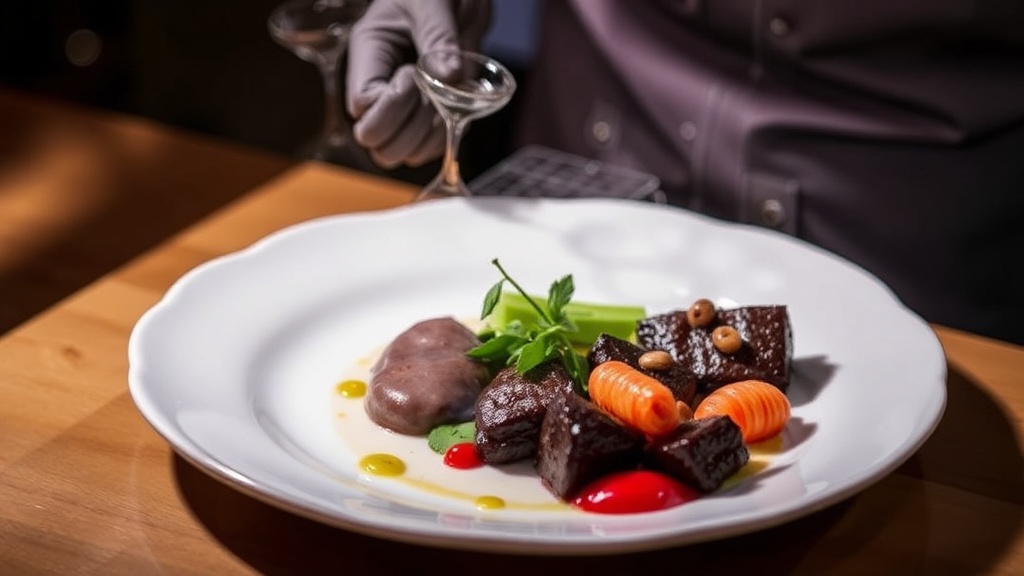
The Art of Plating: How Technique Defines the Dining Experience

Plating a dish is more than just arranging food on a plate—it’s a thoughtful, intentional process that involves architecture, precision, and creativity. In this post, we will dive into how technique defines the overall dining experience, and why plating is essential in both professional kitchens and at home.
The Big Idea: Plating is the bridge between raw ingredients and the guest experience. A well-plated dish doesn’t just look good; it enhances the flavor and elevates the emotional impact of the meal. Here’s the thing: If plating is rushed or thoughtless, it disrupts the harmony of the dining experience.
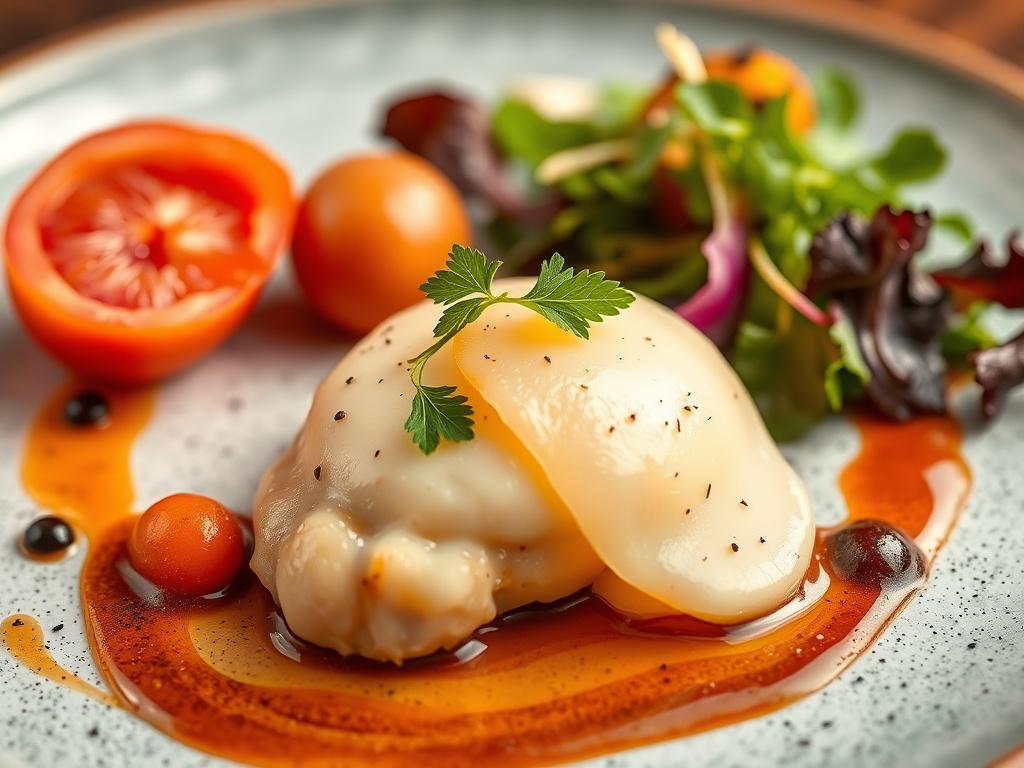
Why Technique Matters: The structure of a plate can tell a story. When you arrange food, it’s like laying out the blueprint of a building. There is foundation, negative space, and the careful placement of elements that build upon one another. The Maillard reaction, for example, isn’t just a scientific process—it’s a technique that can be harnessed in plating to maximize flavor and texture.
Example: Think of the contrast between crispy, caramelized skin on a chicken breast and a tender, juicy interior. The technique of searing the skin enhances the dining experience, elevating both the flavor and the visual appeal.
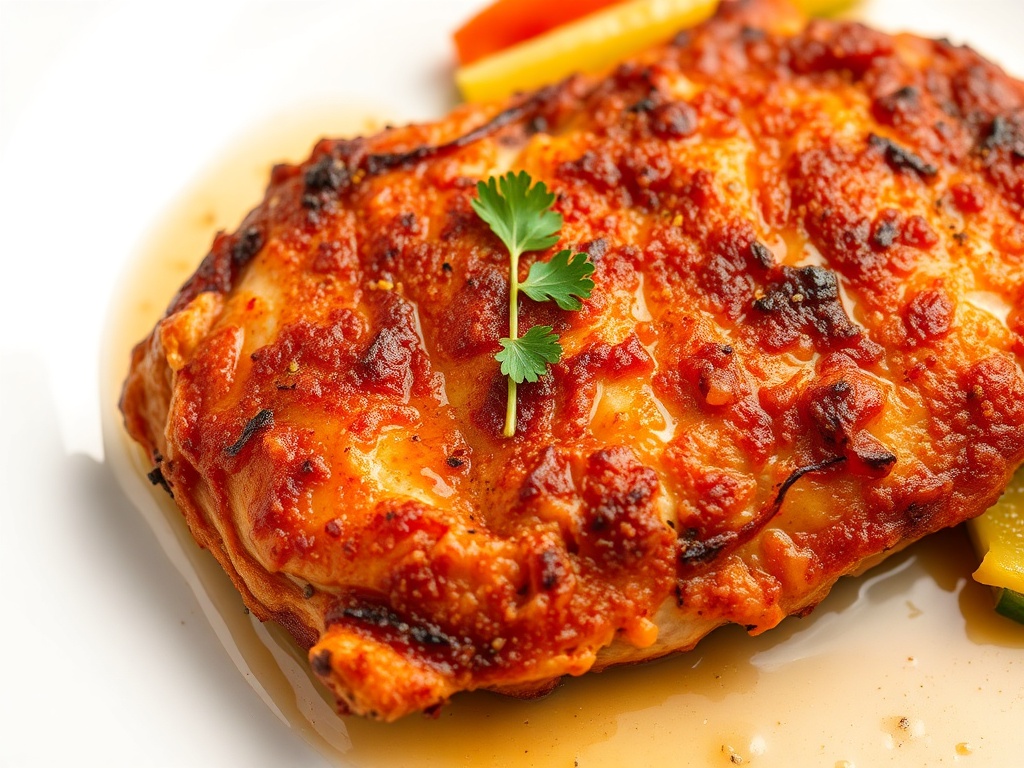
Plating techniques aren’t just for fancy restaurants. At home, these methods can transform a simple meal into something extraordinary. Whether it’s the art of stacking or the use of asymmetry, plating brings an element of artistry and thoughtfulness to everyday meals. By adding purpose to your plating, you elevate the entire dining experience.
Key Techniques in Plating:
- Symmetry vs. Asymmetry: Some dishes look better with a symmetrical, balanced layout, while others benefit from the dynamic feel of asymmetry.
- Negative Space: The empty space on a plate can highlight the food itself, making each component stand out.
- Height and Layers: Stacking ingredients to create height adds visual interest and enhances texture contrast.
Using these techniques doesn’t require expensive equipment or culinary school training. It’s about recognizing the beauty in simplicity and letting that shine through in your meals.
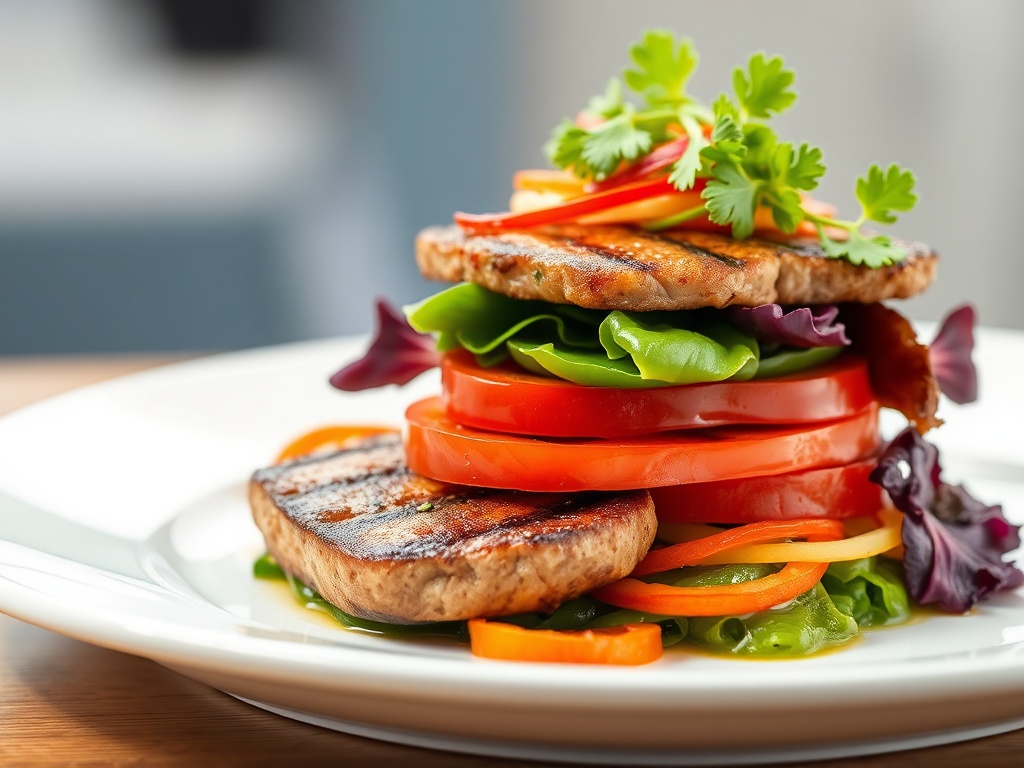
The Sensory Impact: Just as architecture is meant to be experienced both visually and physically, so too is plating. The arrangement of food on a plate can evoke emotions. Think of a perfectly seared piece of fish resting delicately on a bed of wilted greens. The texture contrast, along with the color contrast, creates a sensory experience that feels balanced.
In the end, plating is an extension of the craft of cooking. It’s not just about the end result; it’s about the intention behind it. A dish isn’t finished until it’s plated, and the technique used in this final step can elevate both the flavor and the overall dining experience.
Stay hungry, friends.