Zero‑Waste Spring Cleaning: 7 Practical Swaps for a Greener Home

Hook
Ever opened a cupboard of cleaning supplies and felt a pang of guilt at the sea of plastic bottles?
Context
Spring is the perfect moment to purge the clutter, but why not do it without adding to the landfill? As someone who spent years in European kitchens and now frames dishes through an architectural lens, I’ve learned that the structure of a cleaning routine matters just as much as the ingredients you use.
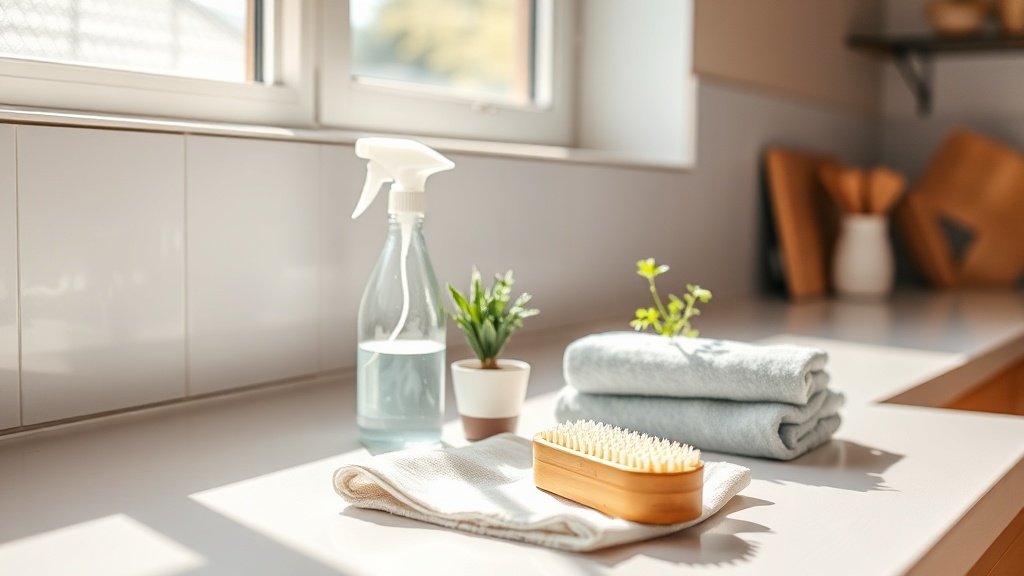
What You’ll Need
- Reusable microfiber cloths (preferably organic cotton blends)
- Bamboo scrub brush
- Glass spray bottle
- Simple homemade cleaning solutions (vinegar, citrus peels, baking soda)
- A small potted herb – mint or rosemary works wonders for fresh scents
Seven Practical Zero‑Waste Swaps
1. Swap Disposable Wipes for Reusable Microfiber
Those disposable wipes are a convenience trap. A high‑loft microfiber cloth can trap dust and grime just as well, and it washes clean in the dishwasher. Our room‑by‑room checklist already recommends this, but here’s the why: each cloth replaces up to 30 single‑use wipes, cutting roughly 1.2 kg of plastic per household per year.
2. Replace Plastic Scrubbers with Bamboo
Bamboo is naturally antimicrobial and biodegradable. A sturdy bamboo brush can scrub stovetops, tile, and even cast‑iron without scratching, and it decomposes in under a year when composted.
3. DIY All‑Purpose Cleaner in a Glass Bottle
Mix one part white vinegar, one part water, a splash of citrus oil, and a pinch of sea salt. Store it in a repurposed glass spray bottle – no more single‑use plastic sprayers.
4. Use Citrus Peels for Stovetop Degreasing
Boil orange or lemon peels in water for 15 minutes. The resulting steam lifts grease, and the leftover water can be used to mop floors. It’s a zero‑waste version of commercial degreasers.
5. Harness Baking Soda for Odor‑Free Drains
Combine baking soda with hot water and a dash of vinegar. The fizzy reaction clears buildup without harsh chemicals, and the ingredients are pantry staples.
6. Add a Potted Herb for Natural Fragrance
Place a small mint or rosemary plant in your kitchen. Its leaves release a subtle aroma when brushed against, reducing the need for synthetic air fresheners.
7. Embrace the “Clean‑One‑Room‑At‑a‑Time” Method
Instead of a marathon cleaning spree, focus on one room per day. This reduces water usage and lets you rinse tools fully before moving on, extending their life.
Why These Swaps Matter
According to the EPA’s Green Cleaning guide (2025), households that adopt reusable tools can cut household waste by up to 30 %. Moreover, a 2024 study in the Journal of Environmental Health linked fewer cleaning chemicals to lower indoor air pollutants, improving respiratory health.
Takeaway
Start with one swap this week – whether it’s a microfiber cloth or a homemade spray – and watch the waste shrink. The next time you reach for a plastic bottle, remember that a small, thoughtful change can ripple through your home’s entire ecosystem.
Stay hungry, friends.
Related Reading
- Sustainable Kitchen Essentials 2026: Eco‑Friendly Tools & Practices – deeper dive into long‑lasting tools.
- Spring Produce Playbook: 9 Seasonal Cooking Recipe Ideas – pair your clean home with fresh, local dishes.
- Zero‑Waste Spring Cleaning: Room‑by‑Room Checklist – a comprehensive guide to tackle every space.