Why Your Pan Temperature Is Ruining Your Searing Technique

The Lie of the High Heat
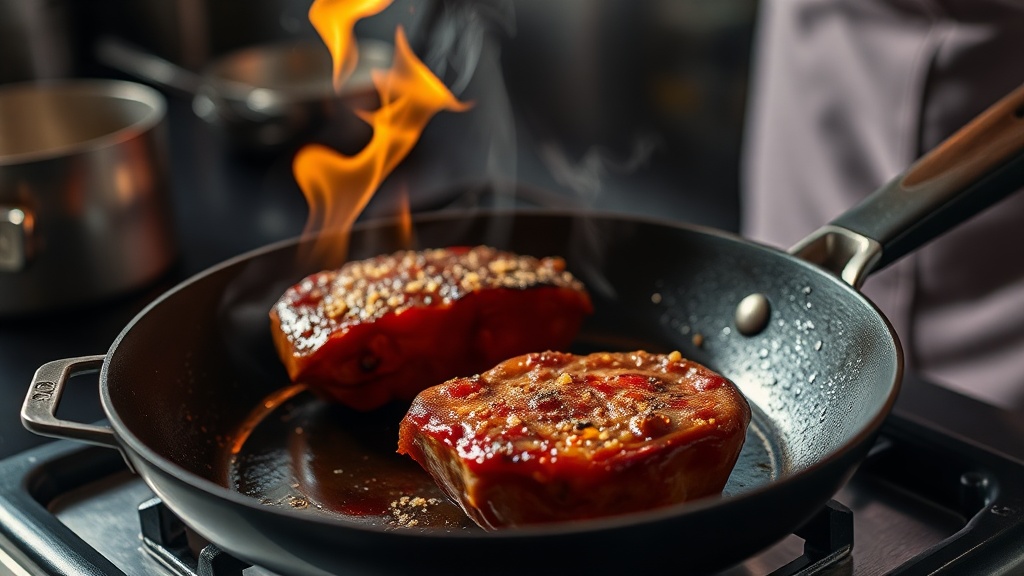
Most home cooks believe that a smoking hot pan is the only way to get a good sear. They crank the burner to maximum, waiting for that thin wisp of smoke, and then drop a steak or a piece of salmon into the metal. The result? A charred, bitter exterior that masks a gray, steamed interior. This happens because high heat often triggers a rapid evaporation of moisture before the actual browning can even begin. You aren't searing; you're essentially boiling the protein in its own juices while the bottom burns.
True searing isn't about heat intensity alone—it's about moisture management and thermal stability. When you're working in a professional kitchen, you learn that the goal is the Maillard reaction. This is the chemical reaction between amino acids and reducing sugars that creates that savory, brown crust we crave. If the pan is too hot, you bypass the nuance of flavor development and head straight into carbonization. If it's too cold, you end up with a limp, pale piece of meat that lacks structural integrity.
Can You Sear Without Smoking Oil?
The short answer is yes, and you probably should. A common mistake is waiting for the oil to reach its smoke point before adding food. While a certain level of heat is required, a smoking pan is often a sign that your fat is breaking down and becoming bitter. Instead, aim for the "shimmer" stage. When the oil moves like water and shows slight ripples, it's ready. This is the sweet spot where the thermal transfer is efficient, but the fat remains stable.
If you are using a heavy-duty material like cast iron, you have a massive advantage. Cast iron acts as a thermal battery. It holds heat much more effectively than thin stainless steel or aluminum. This means that when you drop a cold piece of protein into the pan, the temperature won't plummet instantly. For a deeper look at how different materials affect heat conductivity, the science of pan materials is a great place to start. You want a tool that can recover its temperature quickly without needing to be pushed to the brink of combustion.
Is a Pan Too Hot if It's Smoking?
If you see smoke, you've likely passed the point of optimal searing. Smoke is a signal of degradation. For example, if you're using extra virgin olive oil, it will smoke very early due to its lower smoke point. This ruins the flavor profile of the oil and makes the food taste acrid. For high-heat searing, look toward fats with higher stability like avocado oil or clarified butter (ghee). These fats allow you to reach the temperatures necessary for a crust without the unpleasant smell of burnt oil.
A better way to gauge readiness is the "water droplet test." Flick a tiny drop of water into the pan. If it sits there and sizzles slowly, the pan is too cool. If it dances and evaporates instantly, you're getting close. If it vanishes into a puff of steam immediately, you're actually too hot. You want that rhythmic, dancing droplet—that indicates the pan is primed for the protein to hit the surface and begin building that crust.
How to Achieve a Perfect Crust Every Time
To get that restaurant-quality finish, follow these technical steps:
- Dry the Surface: This is the single most important step. Take your protein out of the fridge and pat it with paper towels until it is bone-dry. Moisture is the enemy of a sear. If the surface is wet, the energy from the pan goes into evaporating that water (steam) rather than browning the protein.
- Salt Strategically: Salt draws out moisture. If you salt your steak twenty minutes before cooking, you'll have a puddle of liquid in the pan. Salt immediately before the protein hits the pan, or use a dry brine method that allows the salt to be absorbed into the fibers long before cooking begins.
- Don't Crowd the Pan: If you put too many pieces of meat in at once, you drop the temperature of the pan and release too much moisture. This creates a "steam bath" effect. Cook in batches if you have to.
- Listen to the Sound: A proper sear has a high-pitched, consistent sizzle. If the sound is a low, heavy thud, your pan isn't hot enough. If it's a violent, erratic crackle, turn it down.
I remember a summer in Lyon, working the line in a small bistro. The chef didn't use a thermometer; he simply listened to the pan. He taught us that the sound of a sear tells you exactly how much energy is being transferred. It's a rhythmic language. When you learn to hear the difference between a gentle simmer and a vigorous sear, you stop guessing and start cooking with intent.
For more technical details on heat transfer and the chemistry of cooking, I often reference the Exploratorium's food science resources. Understanding the physics behind the pan helps you move past the recipes and into the realm of true technique. You aren't just following instructions; you're managing a thermal environment.
| Method | Ideal Fat | Visual Cue | Sound Cue |
|---|---|---|---|
| High-Heat Sear | Avocado Oil / Ghee | Shimmering/No Smoke | Consistent Sizzle |
| Medium-Heat Searing | Canola / Grapeseed | Light Ripples | Gentle Sizzle |
| Butter / Olive Oil | Soft Bubbles | Low Sizzle |
The goal isn't to follow a recipe's temperature instructions blindly. Most recipes are written for a general audience and don't account for your specific stove or pan. Instead, use the visual and auditory cues. Watch the way the oil behaves. Listen to the pan. Once you master the relationship between heat, fat, and protein, you'll never go back to the "crank it to eleven" method again.