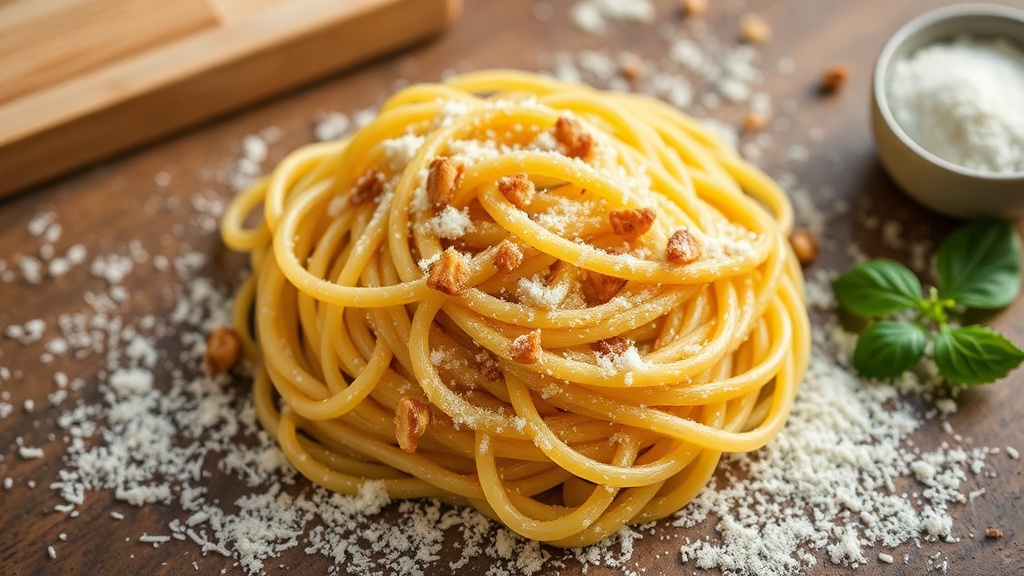
Why Your Homemade Pasta Is Always Sticky or Mushy

A batch of golden, hand-rolled fettuccine goes into a pot of boiling water, only to emerge ten minutes later as a clumped, translucent mass that clings to the bottom of the bowl. This failure is rarely the result of a bad recipe; it is almost always a breakdown in the physics of starch and water management. Understanding the technical reasons behind sticky or mushy pasta will allow you to control the texture of your dough, the temperature of your cooking liquid, and the timing of your service.
The Role of Flour and Protein Structure
The foundation of great pasta lies in the protein content of your flour. If you use standard all-purpose flour, you are likely dealing with a protein content between 10% and 11%. While this works for cookies or pancakes, it lacks the structural integrity required for silkier, more resilient pasta. For high-quality homemade pasta, you need a flour with a higher gluten content to create a strong network that can withstand the hydration process.
Look for Tipo 00 flour. This is a finely milled Italian flour that provides a smooth texture, but for the best results, you should blend it with Semola Rimacinata (re-milled durum wheat semolina). The semolina adds much-needed protein and a slightly coarser grain, which helps the pasta maintain its shape during the boiling process. The higher protein density ensures that the starch granules are trapped within a strong gluten web, preventing them that "mushy" sensation that occurs when the starch leaks out and turns into a gelatinous paste.
The Hydration Ratio
A common mistake is treating dough hydration like a bread recipe. In pasta, the ratio of liquid (eggs or water) to flour must be precise. If the dough is too wet, the starch granules will swell excessively and burst, leading to a sticky exterior. If it is too dry, the gluten will not develop fully, resulting in a brittle, grainy texture. A standard ratio for egg pasta is roughly 100 grams of flour to 1 large egg, but you must adjust based on the humidity in your kitchen. If the dough feels tacky rather than sticky, add a dusting of semolina rather than more flour, which can make the dough heavy.
The Science of the Boil
The environment in which the pasta cooks is just as important as the dough itself. Most home cooks fail because they do not account for the starch displacement that occurs in the pot.
Water Volume and Starch Saturation
When you drop fresh pasta into water, it immediately begins releasing starch. If you use a small pot with a limited amount of water, the water becomes a thick, starchy slurry. This high concentration of suspended starch acts as a glue, causing the noodles to stick to one another and to the sides of the pot. To prevent this, use a large stockpot—at least 6 quarts of water for every 500 grams of pasta. This ensures that the starch is sufficiently diluted, allowing the pasta to move freely.
The Importance of Salt and Boiling Temperature
You must salt your water heavily. The goal is not just seasoning, but rather influencing the way the starch behaves. A highly saline environment helps to slightly toughen the exterior of the pasta, providing a better "bite." More importantly, the water must be at a rolling boil. A gentle simmer is insufficient. A vigorous boil creates physical agitation, which is necessary to keep the individual strands of pasta from settling and bonding together. If the water temperature drops too low when the pasta is added, the starch will begin to dissolve into the liquid before the structure has set, leading to a gummy texture.
The Mechanical Aspect: Agitation and Timing
Even with the perfect dough and a rolling boil, physical intervention is required during the first two minutes of cooking. This is the most critical window for preventing stickiness.
- Initial Agitation: As soon as the pasta hits the water, use a wooden spoon or a pasta fork to stir the strands. This mechanical action breaks up any surface tension that might cause the noodles to bond.
- The Al Dente Window: Fresh pasta cooks significantly faster than dried pasta. While dried pasta might take 10–12 minutes, fresh egg pasta often reaches perfection in 2 to 4 minutes. If you overcook it by even 60 seconds, the starch granules will fully gelatinize and the structure will collapse, resulting in a mushy interior.
- The "Float" Test: Instead of relying strictly on a timer, watch the physical behavior of the pasta. When the pasta begins to float to the surface, it is nearing the end of its cook time. Test a single strand by biting into it; you should feel a slight resistance at the center.
Finishing the Pasta: The Emulsion Phase
The final stage of the process—moving the pasta from the water to the sauce—is where many cooks inadvertently ruin their hard work. If you drain the pasta in a colander and rinse it, or if you let it sit in a bowl for a few minutes before adding sauce, you are losing the very elements that make the dish successful.
Avoid Rinsing
Never rinse your pasta with cold water unless you are making a cold pasta salad. Rinsing removes the thin layer of starch that helps the sauce adhere to the noodle. This starch layer is essential for creating a cohesive dish. Without it, the sauce will simply slide off the pasta and pool at the bottom of the plate.
The Pan-Finish Technique
To achieve a professional result, you should finish the pasta directly in the sauce. This is known as mantecatura.
- Transfer the pasta directly from the boiling water into your pan of sauce using a slotted spoon or spider strainer.
- Include a small amount of the pasta water (the liquid used to cook the pasta) in the pan. This water is rich in starch and acts as an emulsifier.
- Toss the pasta vigorously over medium-high heat. The combination of the starch in the water, the fat in your sauce (such as butter or olive oil), and the physical movement will create a creamy, cohesive emulsion that coats every strand without being "sticky."
By controlling the protein content of your flour, ensuring a high volume of salted boiling water, and finishing the dish with a starch-enriched emulsion, you move from simply "boiling noodles" to managing a complex chemical reaction. This technical approach ensures that your homemade pasta retains its structural integrity and provides the perfect textural contrast to your sauces.
Steps
- 1
Choose the Right Flour
- 2
Hydrate Gradually
- 3
Knead Until Smooth
- 4
The Resting Period
- 5
The Boil Test