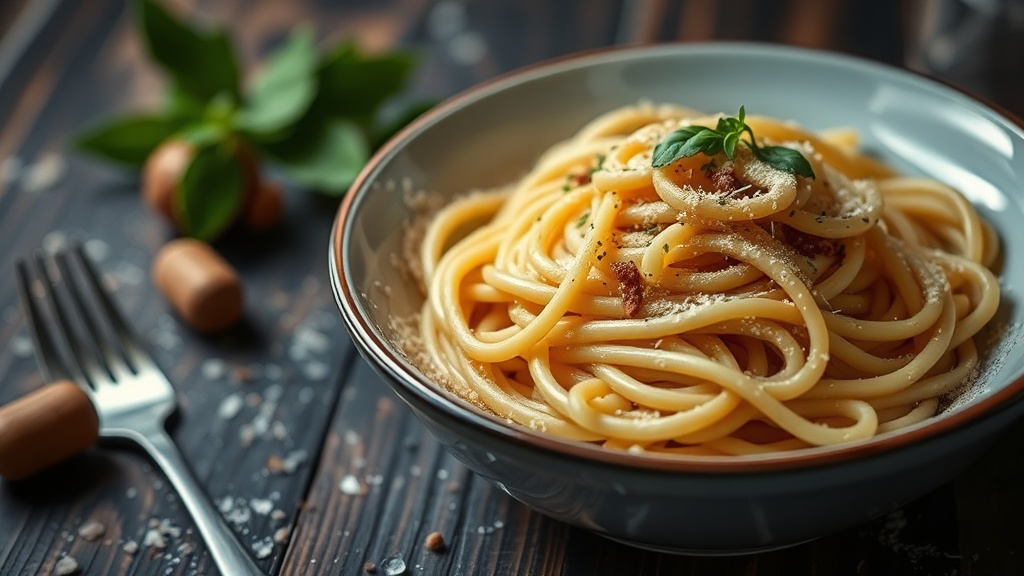
Why Your Homemade Pasta is Always Mushy

Have you ever spent an hour kneading dough and rolling out delicate sheets of pasta, only to have the final result turn into a gummy, unappetizing mass once it hits the plate? This common frustration usually stems from a misunderstanding of starch hydration, protein structure, or water temperature. This guide breaks down the technical reasons why homemade pasta loses its structural integrity and provides the specific adjustments needed to achieve a perfect al dente texture every time.
The Role of Protein and Flour Selection
The primary reason homemade pasta becomes mushy is often a lack of structural strength in the dough. Pasta is essentially a matrix of starch granules held together by a gluten network. If that network is weak, the starch granules will swell too much and eventually burst during boiling, leading to a soft, mushy texture.
When selecting flour, you must look at the protein content. For traditional Italian egg pasta, you need a flour with high protein to ensure enough gluten development. Tipo 00 flour is the gold standard because it is finely milled, which allows for a smooth texture, but it must be paired with a high-protein flour like Semolina (durum wheat) to provide the necessary "bite." If you use a low-protein all-purpose flour exclusively, the dough will lack the tensile strength to withstand the boiling process.
A reliable ratio for home cooks is 70% Antimo Caputo Tipo 00 and 30% fine semolina. The semolina adds much-needed rigidity. Without this structural backbone, the pasta will feel "heavy" and soft rather than having that characteristic snap.
Hydration and the Kneading Process
Mushy pasta is frequently a symptom of improper hydration. If your dough is too wet, the starch becomes over-saturated during cooking. If it is too dry, the pasta will be tough and unevenly cooked. The goal is a dough that is supple but not sticky.
The kneading process is where most home cooks fail to build the necessary gluten. Kneading isn't just about mixing ingredients; it is about aligning the protein strands. You should knead the dough for at least 10 minutes until it is smooth and elastic. A good test is the "windowpane test": stretch a small piece of dough; if it can stretch thin enough to see light through it without tearing, your gluten network is sufficiently developed.
Furthermore, the resting period is non-negotiable. After kneading, the dough must rest—wrapped in plastic wrap—for at least 30 to 60 minutes at room temperature. This allows the flour to fully hydrate and the gluten to relax. If you skip this, the dough will be "tight" and difficult to roll out, often resulting in uneven thicknesses that cook at different rates, leaving some parts mushy while others are still raw.
Thickness and Uniformity
If your pasta sheets are inconsistent in thickness, you will never achieve a uniform cook. A thick patch of dough will remain gummy in the center while the edges turn to mush. This is a common issue when using manual pasta machines like an Atlas 150 or a Marcato Atlas 150 without careful attention to the settings.
When rolling out your dough, you must ensure the sheets are remarkably consistent. For long noodles like tagliatelle, aim for a thickness of approximately 1.5mm to 2mm. If you are making stuffed pasta like ravioli, the dough must be even thinner (around 1mm) to prevent the pasta from feeling like a heavy, doughy pillow once boiled.
The Importance of Drying Time
Many cooks make the mistake of throwing freshly made, wet dough directly into the pot. While you can cook fresh pasta immediately, letting it air-dry slightly can actually improve the texture. Allowing the pasta to sit on a drying rack or a floured surface for 15 to 30 minutes creates a slight "skin" on the exterior. This skin helps the pasta maintain its shape and prevents it from disintegrating in the water.
The Science of the Boil
The water you cook your pasta in is just as important as the dough itself. If you use too little water, the starch released from the pasta becomes highly concentrated in the pot, creating a thick, viscous liquid that clings to the noodles and makes them feel slimy. This is essentially a starch soup that prevents the pasta from cooking cleanly.
- Use a large volume of water: Use at least 4 to 6 liters of water per 500g of pasta.
- Salt the water heavily: The water should taste like the sea. This isn't just for flavor; salt helps regulate the boiling process and assists in the structural setting of the pasta. Use Kosher salt or sea salt rather than iodized table salt.
- Maintain a rolling boil: The water must be at a vigorous, constant boil. This movement keeps the pasta agitated, preventing the strands from sticking together and ensuring even heat distribution.
If you find that your pasta is sticking together in the pot, it is often because the starch concentration in the water is too high or you didn't add enough oil (though adding oil is generally discouraged as it can prevent sauce from adhering). Instead, focus on increasing the water volume.
Finishing in the Pan: The "Mantecatura" Phase
The final stage of cooking often determines whether the pasta feels "mushy" or "perfect." A common error is boiling the pasta in water until it is fully cooked, then transferring it to a sauce. By the time the pasta hits the plate, the residual heat and the weight of the sauce will have turned it into mush.
To avoid this, use the "one-pot finish" technique. Boil your pasta in salted water until it is about 80-90% cooked—it should still have a distinct resistance in the center. Simultaneously, prepare your sauce in a wide skillet. Use a ladle of the starchy pasta water to thin the sauce, then toss the undercooked pasta directly into the pan.
This process, known in Italy as mantecatura, allows the pasta to finish cooking inside the sauce. The pasta absorbs the flavors of the sauce while the starch in the water helps emulsify the fats (like butter or parmesan) into a creamy coating. This results in a texture that is al dente—firm to the bite—rather than a soft, waterlogged mass.
Summary Checklist for Perfect Pasta
Before you start your next batch, run through this technical checklist to ensure you aren't heading toward a mushy result:
- Flour: Am I using a high-protein flour or a blend of Tipo 00 and Semolina?
- Kneading: Have I kneaded the dough for at least 10 minutes to develop the gluten?
- Resting: Is the dough resting for at least 30 minutes to allow full hydration?
- Thickness: Are my pasta sheets uniform in thickness across the entire surface?
- Water: Is there enough water to prevent a high concentration of released starch?
- Timing: Am I pulling the pasta out of the water slightly early to finish it in the pan?
By treating pasta making as a technical process of protein development and starch management rather than just a simple mixing of ingredients, you will move past the "mushy" stage and achieve the structural precision found in professional kitchens.