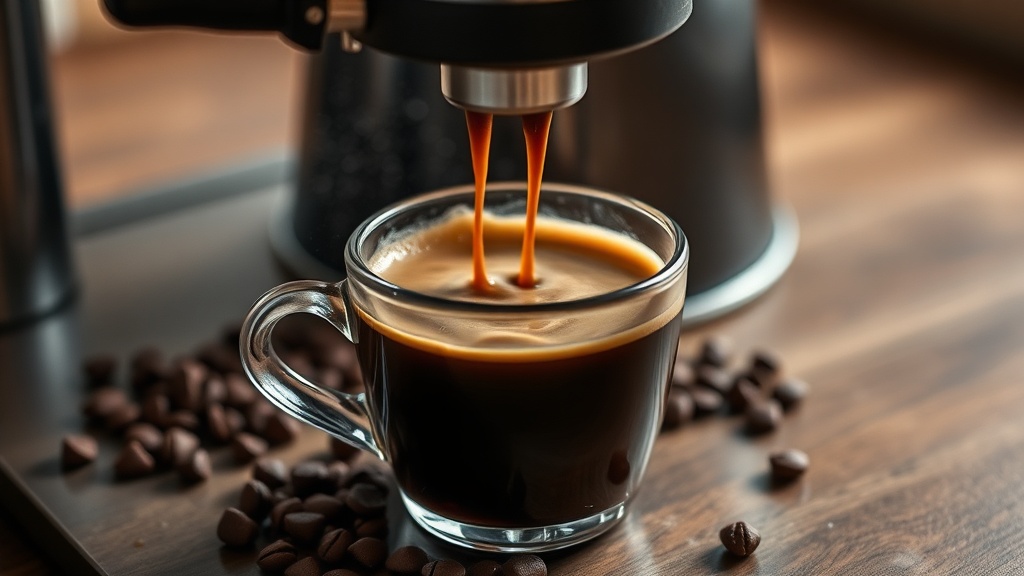
Why Your Coffee Tastes Bitter and How to Fix It

Most people believe that a bitter cup of coffee is a sign of a "strong" brew or a high-quality dark roast. This is a fundamental misunderstanding of coffee chemistry. Bitterness is rarely a desirable characteristic of high-quality coffee; rather, it is usually a technical error in extraction or a byproduct of poor ingredient quality. Understanding the distinction between the pleasant complexity of acidity and the harshness of bitterness is the key to transforming your morning ritual from a caffeine delivery system into a nuanced sensory experience.
This guide breaks down the three primary culprits of unwanted bitterness: your water temperature, your grind size, and your extraction time. By adjusting these variables, you can move away from the burnt, astringent notes common in mediocre coffee and toward the bright, balanced profiles found in specialty coffee shops.
The Chemistry of Extraction
To fix a bitter cup, you must first understand what extraction actually is. When you brew coffee, you are performing a controlled extraction of soluble compounds from the coffee grounds into water. This process happens in a specific order. First, the highly soluble acids and salts are extracted, followed by the sugars and complex carbohydrates, and finally, the heavy, bitter plant fibers and polyphenols.
If you stop the extraction process too early, the coffee tastes sour or salty. If you push the extraction too far, you hit the "bitter wall," where the harsh, unpleasant compounds dominate the palate. Achieving the perfect cup is a matter of finding the "sweet spot" where the acidity is bright but the sugars have fully developed, and the bitterness is kept at a minimum.
Variable 1: Water Temperature
Temperature is perhaps the most frequent cause of over-extraction. If your water is too hot, it will aggressively strip the bitter compounds from the coffee grounds, often before the desirable sugars have had a chance to dissolve. This is especially true when using a standard drip machine or a French Press.
The Ideal Range
For most brewing methods, you should aim for a water temperature between 195°F (90°C) and 205°F (96°C). If you do not own a digital thermometer, a practical tip is to bring your water to a boil and then let it sit off the heat for approximately 30 to 60 seconds before pouring. This allows the temperature to drop into the ideal range without the guesswork of a thermometer.
The Roast Factor
You must adjust your temperature based on the roast level of your beans. Darker roasts, such as a traditional French Roast, are more porous and more susceptible to heat. If you are brewing a dark roast, err on the side of cooler water—closer to 195°F. Lighter roasts, like a washed Ethiopian Yirgacheffe, are denser and require slightly higher temperatures (closer to 205°F) to extract their bright, floral acidity without turning them bitter.
Variable 2: Grind Size and Surface Area
The size of your coffee particles dictates how much surface area the water can contact. A larger surface area means the water can extract more compounds more quickly. If your grind is too fine, the water will struggle to pass through the grounds, leading to "over-extraction" and a heavy, bitter mouthfeel.
Identifying the Problem
If your coffee tastes like ash or has a lingering, drying sensation on the sides of your tongue, your grind is likely too fine. This is common with people using blade grinders rather than burr grinders. Blade grinders create an uneven mixture of "dust" and large chunks. The "dust" over-extracts and creates bitterness, while the large chunks under-extract and create sourness.
The Solution: The Burr Grinder
To achieve consistency, invest in a burr grinder, such as a Baratza Encore or a Fellow Ode. These machines ensure every particle is a uniform size. Once you have a burr grinder, use these general guidelines:
- Coarse (Sea Salt texture): Best for French Press or Cold Brew.
- Medium (Granulated Sugar texture): Best for standard Drip Coffee or Chemex.
- Fine (Table Salt texture): Best for Espresso or Aeropress.
If your coffee is bitter, move your grinder to a coarser setting. By increasing the particle size, you reduce the total surface area, slowing down the extraction of those harsh, bitter polyphenols.
Variable 3: Contact Time
Contact time refers to how long the water is in contact with the coffee grounds. This is a critical variable in immersion brewing methods like the French Press or the AeroPress. The longer the water sits with the grounds, the more likely you are to extract the heavy, bitter elements of the bean.
Common Errors in Immersion Brewing
A common mistake with the French Press is leaving the coffee in the carafe after the plunger has been depressed. Even after you plunge, the coffee continues to extract as long as it is in contact with the water. If you leave a French Press on your counter for twenty minutes, it will inevitably become bitter and astringent.
The Fix: Decant Immediately
Once your timer hits your target—usually 4 minutes for a French Press—plunge the device and immediately pour the coffee into a separate carafe or your mug. Do not leave the coffee sitting in the press. This "stops" the extraction process and preserves the balance of acidity and sweetness.
The Role of Water Quality and Filtration
While temperature and grind size are the primary mechanical causes of bitterness, the chemistry of your water plays a significant role. Water is more than just a solvent; it is a medium that carries flavor. If your tap water is high in mineral content or contains high levels of chlorine, it can react with the coffee to create a harsh, medicinal bitterness.
If you notice a metallic or chemical aftertaste, try using a filtered water pitcher like a Brita or, even better, a specialized water filter designed for coffee. You want water that is "soft" but still contains enough mineral content to facilitate extraction. Pure distilled water is actually a poor choice for coffee, as it lacks the minerals necessary to pull the flavors out of the bean, often resulting in a flat, one-dimensional cup.
Troubleshooting Summary Table
Use this quick reference guide to diagnose your coffee's flavor profile and apply the correct technical fix.
| Flavor Profile | Likely Cause | The Fix |
|---|---|---|
| Bitter, Ashy, Drying | Over-extraction | Coarsen the grind or lower the water temperature. |
| Sour, Salty, Thin | Under-extraction | Finer the grind or increase the water temperature. |
| Metallic, Chemical | Poor Water Quality | Use filtered water instead of tap water. |
| Flat, Dull, One-Dimensional | Old Beans/Low Acidity | Buy fresher beans (check the "roasted on" date) and check water mineral content. |
A Note on Roast Profiles
It is important to recognize when bitterness is an inherent part of the product rather than a brewing error. Very dark roasts, such as those used in many commercial coffee chains, are roasted until the oils surface and the beans become shiny. At this stage, the original character of the bean is largely replaced by the flavors of the roasting process itself—carbon, smoke, and bitterness.
If you prefer a bright, fruit-forward cup, look for "Light" or "Medium" roasts with a "Light Roast" or "City Roast" designation. These beans are roasted to preserve the organic acids and complex sugars that define high-quality coffee. No amount of technical adjustment can turn a burnt, dark roast into a bright, citrusy cup, because the chemistry of the bean has already been fundamentally altered by the heat of the roaster.
By mastering the relationship between temperature, grind, and time, you move away from the frustration of a bad morning and toward the precision of a professional brewer. Coffee is not a mystery; it is a predictable chemical reaction that responds to your adjustments.