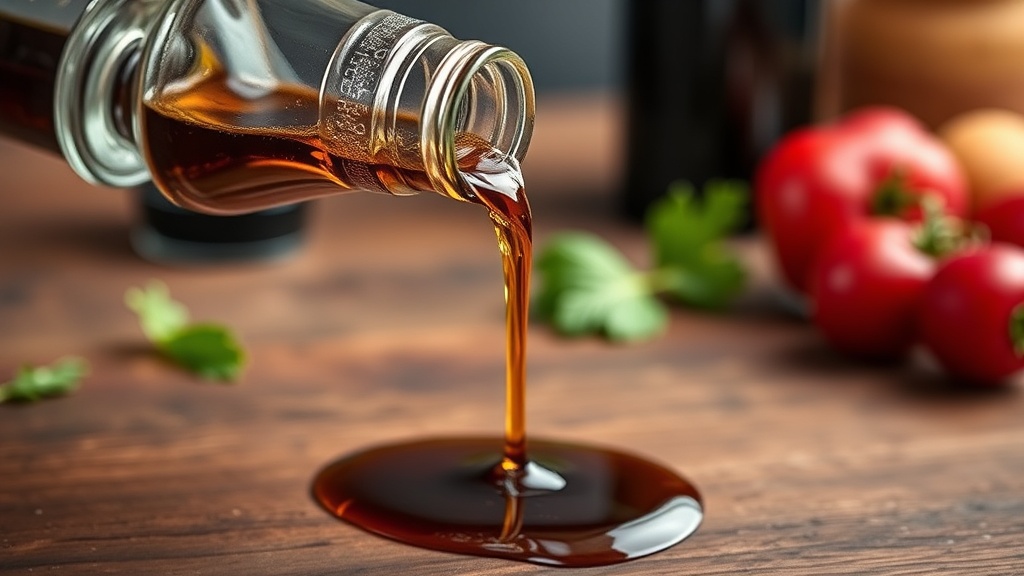
Why Your Balsamic Vinegar Is Too Thin or Watery

Quick Tip
High-quality aged balsamic should be viscous and syrupy, not thin and watery like white vinegar.
The Physics of Viscosity in Balsamic Vinegar
A chef pours a drizzle of balsamic vinegar over a caprese salad, expecting a thick, syrupy ribbon that clings to the tomato. Instead, the liquid runs across the plate like water, soaking into the mozzarella and diluting the flavor. This isn't a mistake in technique; it is a matter of chemistry and labeling. Understanding why your vinegar lacks body will help you choose the right product for both cooking and finishing.
The primary reason your balsamic vinegar feels thin is the difference between Aceto Balsamico di Modena IGP and true Aceto Balsamico Tradizionale. Most grocery store brands are actually "Balsamic Vinegar of Modena," which is a blend of grape must and wine vinegar. Because these are highly diluted with water and acid, they lack the natural sugars and density required to create a glaze. If you want a thick consistency, you must look for products that use a higher concentration of cooked grape must rather than just wine vinegar.
What to Look for on the Label
To ensure you aren't buying a watery substitute, check the ingredient list for these specific indicators:
- Grape Must vs. Wine Vinegar: High-quality balsamic relies on cooked grape must (the unfermented juice of grapes). If "wine vinegar" is the first ingredient, the liquid will be thin and sharp.
- The IGP Seal: The Protected Geographical Indication (IGP) seal ensures a certain level of production standards, though even IGP versions can be thin. For the thickest texture, look for "Balsamic Glaze" or "Crema di Balsamico," though these are often thickened with starches.
- Sugar Content: Natural reduction creates a syrupy texture. If the label lists added caramel or thickeners, you are buying a processed condiment rather than a fermented vinegar.
Testing for Quality at Home
You can test the viscosity of your vinegar using the "coat the spoon" method. Dip a metal spoon into the vinegar and lift it out. A high-quality, dense balsamic should leave a visible, slow-moving film on the back of the spoon. If the liquid drips off instantly and leaves the spoon clean, the vinegar is too diluted for finishing dishes.
When building a dish, remember that a thin vinegar is better suited for marinades or vinaigrettes, whereas a dense, syrupy balsamic is designed to sit on top of food. If you find your balsamic is ruining the texture of your meals, it may be time to pair it with a higher-quality fat, much like how you would evaluate why your expensive olive oil tastes bitter or rancid, to ensure the flavors are balanced and the textures are intentional.