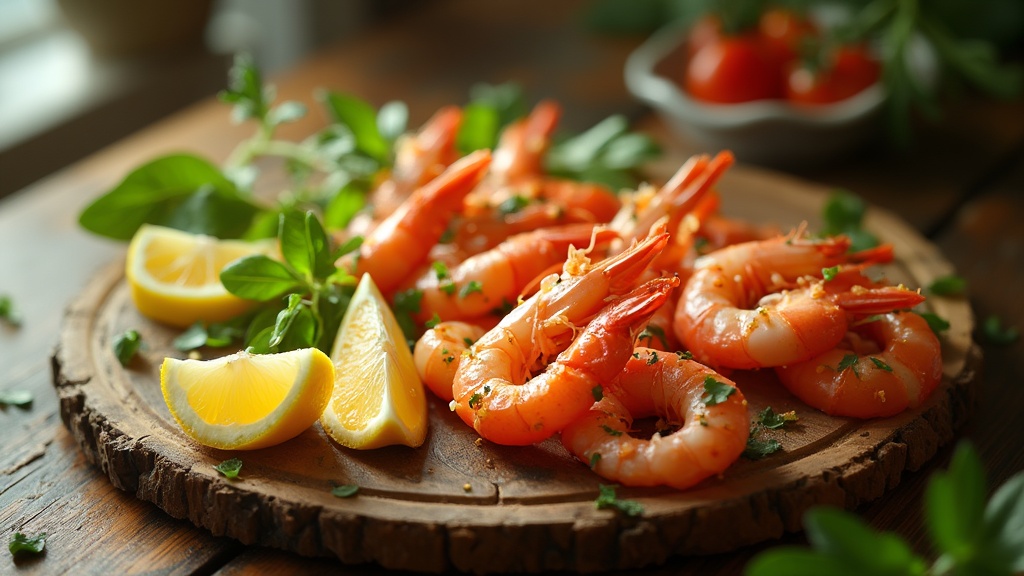
Plant-Based Seafood is Making Waves in 2026

Imagine biting into a pink, succulent shrimp that never saw the ocean. That’s the reality on many restaurant plates right now, and it’s not a novelty—it’s a fast‑growing market. In 2026, plant‑based seafood is projected to be a $711 million industry, reshaping how we think about sustainable protein.
Why should a home cook or a curious foodie care? Because the shift touches everything from your grocery aisle to the techniques you use in the kitchen. If you can master the flavors and textures of these alternatives, you’ll be ahead of the curve, serving up dishes that are both delicious and planet‑friendly.
What’s driving the plant‑based seafood boom?
According to a market report on Ein Presswire, the plant‑based seafood market is expected to reach $711 million in 2026 and surpass $1 billion by 2033. The growth is powered by three forces:
- Consumer demand for sustainable protein. With overfishing and climate concerns, diners are looking for alternatives that don’t compromise on taste.
- Advances in food‑tech. Companies are using extrusion and fermentation to mimic the flaky texture of shrimp, crab, and even whole fish fillets.
- Restaurant adoption. Chefs are experimenting with these products to reduce waste while still delivering “seafood” experiences.
For a deeper dive into the tech, see my earlier post on why precision tech makes you a better cook. The same science that refines sous‑vide temperatures is now shaping algae‑based protein strands.
How do plant‑based shrimp actually taste?
Early taste tests reveal a surprisingly authentic flavor profile. The secret? A blend of kaiser algae, pea protein, and a touch of natural citrus oil. When cooked correctly—quick sauté in butter, a splash of lemon, and a pinch of sea salt—the result is a plump, juicy bite that mimics the snap of real shrimp.
If you’ve ever struggled with emulsification, check out my guide on why emulsification is the most important technique in your kitchen. Mastering that skill will help you coat plant‑based seafood with sauces that cling just as well as they would to a traditional crustacean.
Which brands are leading the charge?
- Good Catch – Offers a range of fish‑free crab cakes and shrimp strips, made from pea protein and seaweed.
- Ocean’s Promise – Uses kelp‑derived oils to give a briny finish to their “salmon” fillets.
- Finless Foods – Pioneers in cultivated seafood, but their recent line of plant‑based scallops has drawn rave reviews.
Many of these products debuted at Expo West 2026, where chefs sampled the new offerings. If you’re curious, most of these brands are now in the frozen section of major grocery chains.
How can you incorporate plant‑based seafood at home?
Here’s a simple, weeknight‑ready recipe that showcases the versatility of plant‑based shrimp:
- Heat 1 Tbsp olive oil in a skillet over medium‑high heat.
- Add 12 oz of plant‑based shrimp, sauté for 2‑3 minutes until pink.
- Deglaze with ¼ cup white wine, then stir in 2 Tbsp butter and a squeeze of lemon.
- Finish with chopped parsley and serve over garlic‑infused quinoa.
This mirrors the “12‑minute pan sauce upgrade” I detailed in my Pan Sauce Formula post, proving that classic techniques translate perfectly to new ingredients.
What are the sustainability implications?
Plant‑based seafood reduces pressure on wild stocks by up to 90 % per kilogram of protein, according to a study in Frontiers in Nutrition. Moreover, the production footprint—water, land, and carbon emissions—is markedly lower than traditional aquaculture.
That said, not all products are created equal. Look for labels that disclose sourcing of algae and avoid excessive processing. As I often say in my “Mise en Place for Home Cooks” series, the time ingredient—being mindful of prep and sourcing—makes the biggest difference.
Takeaway: Should you jump on the plant‑based seafood wave?
If you care about flavor, sustainability, and staying ahead of culinary trends, the answer is a resounding yes. Start with a trusted brand, apply the same cooking fundamentals you use for traditional seafood, and you’ll discover a new world of dishes that are both ethical and delicious.
Stay hungry, friends.