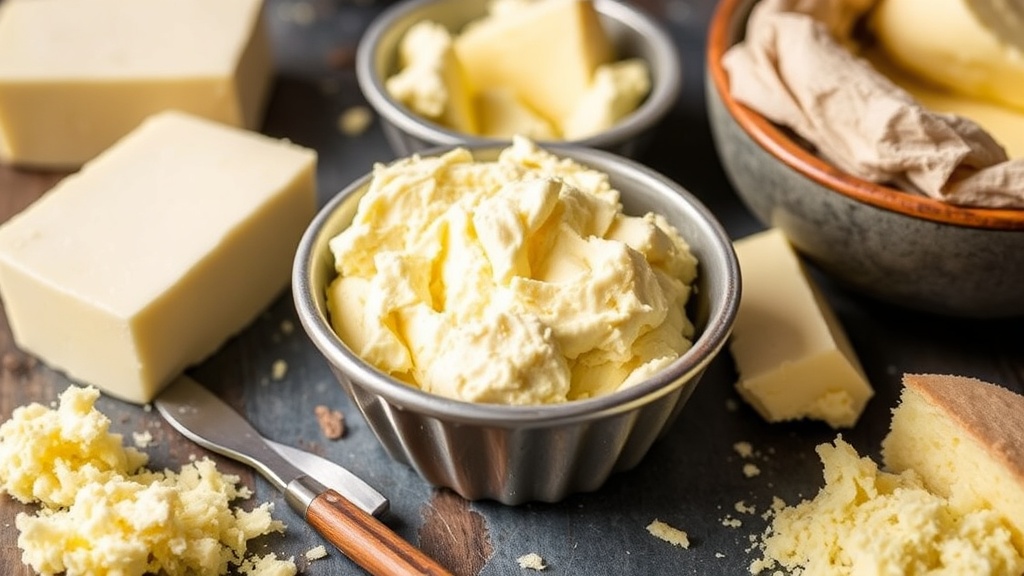
How to Make Your Own Cultured Butter at Home

Standard commercial butter often contains only three ingredients: cream, salt, and sometimes water or stabilizers. Cultured butter, however, undergoes a biological transformation through the addition of lactic acid bacteria, resulting in a complex, tangy profile that elevates everything from sourdough to pan-seared scallops. This guide provides the technical framework and step-by-step instructions to produce high-quality cultured butter in your own kitchen, focusing on the chemistry of fermentation and the precision of fat separation.
The Science of Culturing Cream
To understand cultured butter, you must understand the role of Lactobacillus. In professional European kitchens, particularly in Normandy and Brittany, the distinction between sweet cream butter and cultured butter is fundamental. Cultured butter is produced by adding live bacterial cultures to heavy cream and allowing it to ferment. This fermentation process converts the lactose in the cream into lactic acid. This acid does two things: it lowers the pH of the cream, creating that characteristic bright tang, and it helps to break down the proteins, which results in a more stable emulsion and a finer texture.
The acidity also plays a structural role. As the pH drops, the casein proteins in the cream begin to change, which eventually facilitates the separation of the solid fat (butterfat) from the liquid (buttermilk). Without this controlled acidification, you are simply making sweet cream butter. If you want a more pronounced flavor, you can extend the fermentation time, though you must monitor the temperature closely to ensure the bacteria remain active without the cream turning rancid.
Essential Equipment and Ingredients
Quality of input determines the quality of the output. Because you are working with a living culture, the purity of your ingredients is paramount. Avoid any cream that has been ultra-pasteurized (UP), as the high-heat treatment can damage the proteins and make it difficult for the bacteria to thrive. Look for "Pasteurized" rather than "Ultra-Pasteurized" on the label.
The Ingredient List
- Heavy Cream: 1 quart (approx. 1 liter). Use a cream with a minimum of 36% milkfat. For the best results, source organic, grass-fed cream, as the beta-carotene in grass-fed diets provides a deeper yellow hue.
- Starter Culture: You have two options. You can purchase a dedicated Mesophilic Starter Culture (which thrives at room temperature) or use 2 tablespoons of high-quality, plain Greek yogurt or even a small amount of high-quality kefir.
- Fine Sea Salt: Use Maldon sea salt or a fine-grain Fleur de Sel. Avoid iodized table salt, as the iodine can interfere with the delicate flavor profile.
- Cold Water: For rinsing the butter solids.
The Tool Kit
- Glass Jar or Small Bowl: For the fermentation stage.
- Stand Mixer or Food Processor: A stand mixer with a whisk or paddle attachment is ideal for the churning stage.
- Fine Mesh Sieve: To strain the buttermilk.
- Cheesecloth: For final straining and moisture removal.
- Digital Thermometer: To monitor the temperature of the cream during fermentation.
Step-by-Step Instructions
Step 1: The Fermentation (Culturing) Phase
Pour your heavy cream into a clean glass jar or bowl. If you are using a commercial mesophilic starter, follow the specific ratio on the package. If using Greek yogurt, add 2 tablespoons and stir thoroughly. Cover the container loosely with a breathable cloth or a lid that is not airtight to allow for minimal gas exchange.
Place the container in a warm, draft-free area of your kitchen. The ideal temperature for mesophilic bacteria is between 70°F and 75°F (21°C to 24°C). You can use a proofing box or place the jar near a refrigerator vent to maintain stability. Let the cream ferment for 12 to 24 hours. You will know it is ready when the cream has thickened slightly and develops a distinct, pleasant acidity. If the cream smells overly sharp or "off," discard it and start over.
Step 2: The Churning Phase
Once the cream has fermented, transfer it to your stand mixer or food processor. If using a stand mixer, use the whisk attachment. Turn the mixer to medium-high speed. During this stage, you will observe three distinct phases:
- Aeration: The cream will increase in volume and become thick, similar to whipped cream.
- Graininess: The mixture will begin to look curdled and "broken." This is the moment the fat globules begin to coalesce.
- Separation: Suddenly, the fat will clump together into a solid mass, and a thin, liquid substance—the buttermilk—will separate.
Stop the mixer once the butter has fully separated from the liquid. Do not over-churn once the butter has formed, as this can lead to an overly dry texture.
Step 3: Washing the Butter
This is the most critical step for shelf stability. If any buttermilk remains in the butter, it will go rancid very quickly. Drain the buttermilk into a separate container (save it for pancakes or baking). Place the butter solids into a fine-mesh sieve lined with cheesecloth.
Pour ice-cold water over the butter while gently working it with a spatula or your hands. Continue this "washing" process until the water runs completely clear and the water no longer looks milky. This ensures all residual proteins and sugars are removed. If you skip this, your butter will have a much shorter shelf life and may develop an unpleasant sourness.
Step 4: Salting and Finishing
Once the butter is thoroughly washed and squeezed dry in the cheesecloth, place it in a small bowl. Add your fine sea salt. A standard ratio is roughly 1/4 teaspoon of salt per cup of butter, but adjust to your preference. Incorporating the salt while the butter is still slightly warm and pliable ensures an even distribution. For a more sophisticated finish, you can add minced herbs or lemon zest at this stage.
Troubleshooting and Technical Tips
The butter isn't forming: This is usually a temperature issue. If the cream is too cold, the fat won't coalesce. If it is too warm, the fat may melt rather than clump. Ensure your fermented cream is at room temperature before you begin the churning process.
The texture is too grainy: This often happens if the butter is not washed thoroughly or if it was over-churned. Ensure you are using ice-cold water during the washing phase to keep the fat crystals stable.
Storage and Longevity: Because this is a cultured product, it has a slightly higher acidity which helps preservation, but it is still a fresh dairy product. Store your homemade butter in a small, airtight ceramic crock or a glass jar in the refrigerator. It will stay fresh for approximately 2 to 3 weeks. If you want to make it even more durable, you can make a Beurre Noisette (brown butter) by cooking the finished butter until the solids toast, then cooling it again.
Using this method allows you to control the exact flavor profile of your fat. You can lean into a sharper, more lactic tang or keep it subtle. Whether you are using it to finish a steak or to top a warm piece of sourdough, the difference between commercial and homemade cultured butter is a matter of depth, texture, and soul.
Steps
- 1
Culturing the Cream
- 2
Churning the Butter
- 3
Washing the Buttermilk
- 4
Seasoning and Storing