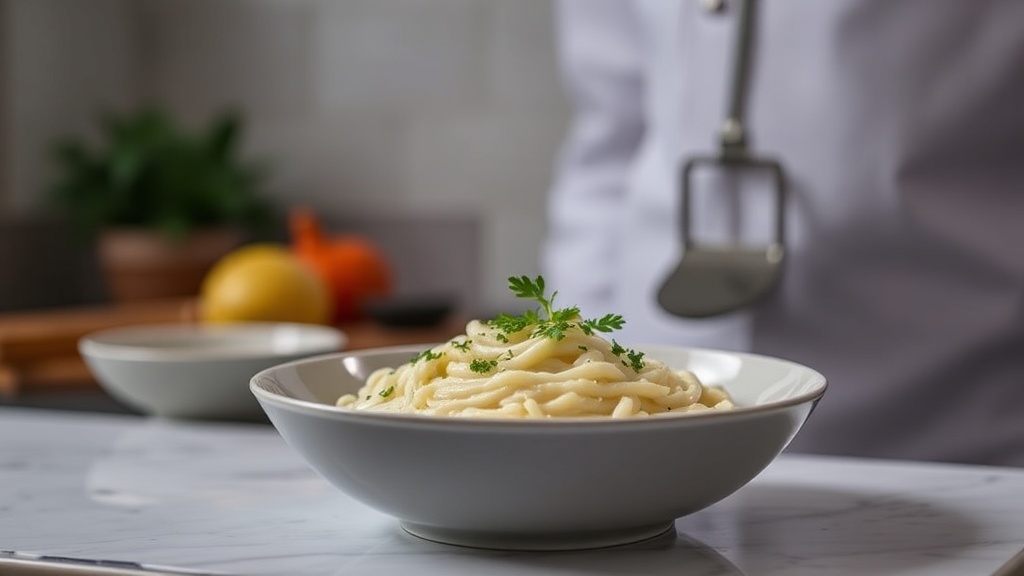
How to Make Perfect Risotto at Home Every Single Time

Risotto intimidates home cooks. The constant stirring, the precise timing, the fear of gluey rice or raw centers — it's enough to make anyone reach for the boxed stuff. This guide breaks down the technique that Italian nonnas have perfected over generations. You'll learn how to coax out the starch that creates risotto's signature creamy texture, why the right pot matters more than expensive equipment, and which rice varieties deliver restaurant-quality results. Whether you're working with a simple mushroom risotto or tackling seafood variations, these principles guarantee success every single time.
What Type of Rice Is Best for Risotto?
The short answer: Carnaroli, Arborio, or Vialone Nano. Each delivers that creamy texture you're after, but they behave differently in the pan.
Carnaroli earns the nickname "the king of risotto rice" for good reason. The grains hold their shape beautifully while releasing enough starch to create a silky sauce. Arborio remains the most widely available option in North American supermarkets — it's forgiving, produces excellent results, and costs less than Carnaroli. Vialone Nano (common in the Veneto region) cooks faster and absorbs more liquid, making it ideal for seafood risottos where you want the rice to soak up every drop of fish stock.
Here's the thing — don't use long-grain rice like basmati or jasmine. They lack the amylopectin starch that gives risotto its characteristic creaminess. The grains stay separate and the dish ends up closer to pilaf than the velvety spoonable texture you're chasing.
| Rice Variety | Texture | Best For | Cooking Time |
|---|---|---|---|
| Carnaroli | Firm center, creamy exterior | Complex preparations, wine reductions | 16-18 minutes |
| Arborio | Soft, very creamy | Beginners, mushroom risotto | 18-20 minutes |
| Vialone Nano | Delicate, tender | Seafood, spring vegetable risottos | 14-16 minutes |
The catch? Rice quality varies significantly between brands. Osteria Bella sources from producers like Acquerello (aged Carnaroli) and Riso Buono. The aging process firms the grain's structure, allowing it to absorb more liquid without breaking down.
Do You Really Have to Stir Risotto Constantly?
No — that's a myth that keeps too many people from attempting this dish. Vigorous, continuous stirring actually damages the rice grains and can make the finished risotto gummy.
The truth lies somewhere between "set it and forget it" and the obsessive attention you see on cooking shows. After adding each ladle of hot stock, give the pot a gentle stir to distribute the liquid and prevent sticking. Then let the rice do its thing for 30 to 60 seconds before stirring again. This rhythm — add, stir, wait, stir — allows the grains to absorb liquid evenly while developing that coveted creamy texture.
Worth noting: the stirring action releases starch from the rice's exterior. This starch emulsifies with butter and cheese at the end (the mantecatura stage) to create risotto's signature sauce. Too little stirring and the dish separates into rice and soupy liquid. Too much and you break the grains entirely.
The right pot makes this easier. A wide, heavy-bottomed sauté pan or Le Creuset enameled cast iron braiser provides even heat distribution and plenty of surface area. Avoid tall, narrow saucepans — they trap steam and create hot spots that cook the bottom layer faster than the top.
Why Does My Risotto Turn Out Mushy or Crunchy?
Temperature control and liquid management are almost always the culprits. Too hot and the exterior overcooks before the center softens. Too cold and the rice seizes up, refusing to release its starch.
Your stock must stay at a gentle simmer in a separate pot. Adding cold liquid to hot rice shocks the grains, causing the exterior to overcook while the interior remains chalky. Professional kitchens keep stock on the back burner at a bare simmer — around 180°F (82°C) — throughout the entire cooking process.
The rice-to-liquid ratio matters enormously. Most risotto recipes call for roughly 4 to 4.5 cups of stock per cup of rice. That said, absorption rates vary based on the rice variety, the age of the grains, and even your local humidity. Start with your base amount, but keep extra warm stock nearby. The finished texture should be all'onda — wave-like — spreading slowly when spooned onto a plate.
Here's a diagnostic guide for common problems:
- Mushy, no distinct grains: Too much liquid, overcooked, or stirred too aggressively
- Crunchy center: Insufficient cooking time, stock too cold, or heat too high
- Soupy, separates on the plate: Under-stirred, not enough starch released, or missing the final emulsification
- Gluey, pasty texture: Heat too high, cooked too fast, or wrong rice variety
The Serious Eats Food Lab tested risotto methods extensively and found that starting with a brief toast of the rice in fat (the tostatura) creates a protective layer that helps grains maintain structure during the long simmer.
Building Flavor From the Foundation
Every great risotto starts with soffritto — the aromatic base that perfumes the entire dish. Finely diced onion sautéed in butter (or a mix of butter and olive oil) until translucent but not browned. Some cooks add celery and carrot for depth; others keep it pure onion to let the main ingredient shine.
The tostatura follows immediately after. Add the rice to the fat and stir until the edges turn translucent — about 2 to 3 minutes. You'll hear a faint clicking sound as the grains dry out and the toasting begins. This step isn't optional. Skip it and the rice releases starch too quickly, creating a gummy exterior.
Wine comes next. A dry white with decent acidity — Pinot Grigio, Sauvignon Blanc, or Verdicchio — deglazes the pan and adds brightness. The alcohol burns off during cooking, leaving behind complex flavor compounds. Let the wine absorb completely before adding your first ladle of stock.
The Stock Situation
Homemade stock delivers the best results. A simple vegetable stock of onion, carrot, celery, parsley stems, and a bay leaf simmers in an hour. Chicken stock adds richness to mushroom or meat-based risottos. Fish stock — made from shrimp shells, fish bones, and fennel — transforms seafood risotto into something transcendent.
That said, not everyone has homemade stock on hand. Store-bought options vary wildly. Bon Appétit's taste tests consistently rank Pacific Foods and Imagine Organic stocks highest for flavor clarity. Avoid bouillon cubes — they're too salty and lack the gelatin that gives body to the finished dish.
Whatever stock you choose, season it lightly before starting. The rice absorbs this liquid completely, so if the stock tastes flat, the risotto will too. A pinch of salt, but not too much — you'll adjust at the end.
The Mantecatura: Where Magic Happens
Take the pot off the heat when the rice still has a slight bite (al dente). There should be visible liquid — more than you think necessary. The dish tightens considerably during the final stage.
Now add cold butter — yes, cold, straight from the refrigerator — and grated cheese. Parmigiano-Reggiano is traditional, though Pecorino Romano brings welcome sharpness. Fold vigorously (the mantecatura) until the butter and cheese emulsify with the starchy liquid into a glossy sauce that coats each grain.
This isn't gentle folding. You want to work the mixture with purpose, creating that signature wave-like consistency. The finished risotto should spread slowly when spooned onto a warm plate, not hold its shape like a mound of mashed potatoes.
Serve immediately. Risotto waits for no one. The texture peaks within minutes of finishing and continues to tighten as it sits. Warm your plates (a quick blast in a low oven works) to slow this process slightly.
Classic Variations to Master
Once the technique clicks, the variations are endless. Risotto alla Milanese — tinted golden with saffron — pairs beautifully with Steven's Steakhouse in St. Catharines osso buco. Mushroom risotto demands dried porcini (rehydrated in warm water, with that soaking liquid strained and added to the stock) plus a mix of fresh varieties — cremini, shiitake, chanterelle when in season.
Seafood risotto works best with a light touch. Add shrimp, scallops, or lobster meat only in the final 3 to 4 minutes of cooking. They'll poach gently in the starchy liquid without turning rubbery. Finish with lemon zest, parsley, and a drizzle of your best extra virgin olive oil.
Spring brings asparagus and pea risotto. Blanch the vegetables separately, shock in ice water to preserve color, and fold in at the end. The contrast of sweet vegetables against the creamy rice never fails to impress.
Winter calls for squash — roasted until caramelized, then folded in with crispy sage leaves fried in brown butter. The natural sweetness of butternut or kabocha squash needs no additional sugar.
Whatever variation you choose, the fundamentals remain constant. Quality rice, hot stock, patient stirring, and that final mantecatura separate restaurant-quality risotto from the disappointing versions that give this dish its unfair reputation. The technique isn't difficult — it simply asks for attention. Give it that, and the results speak for themselves.
Steps
- 1
Toast the rice in butter or oil until edges turn translucent
- 2
Add warm stock one ladle at a time, stirring continuously
- 3
Finish with cold butter and cheese for creamy texture