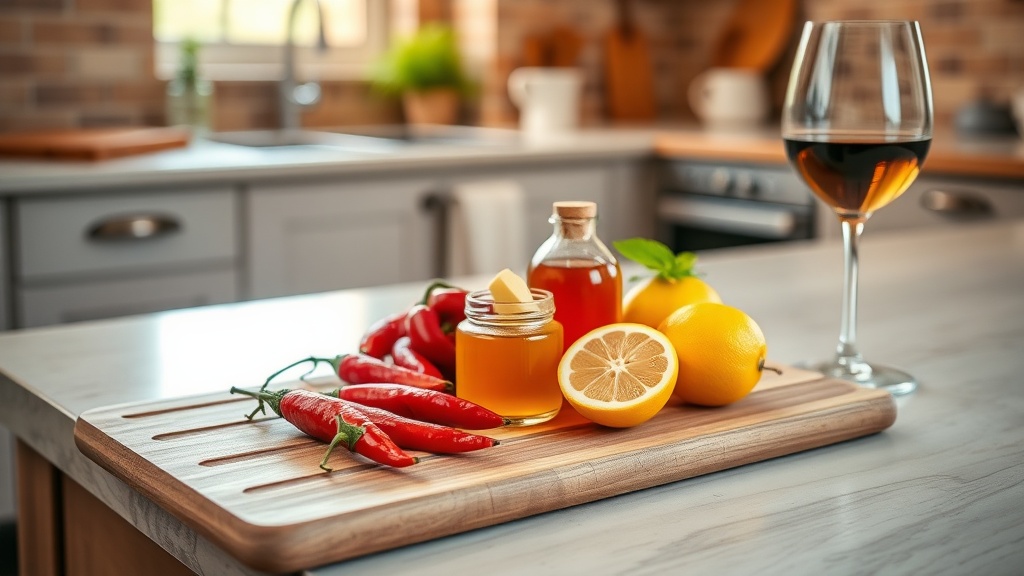
Fermented Hot Sauce at Home: A Step‑by‑Step Guide for 2026

Ever wondered why your favorite hot sauce feels like a living, breathing thing? In 2026, fermented hot sauces are the "soul food" of spice lovers—packed with depth, probiotics, and a story that starts in a mason jar on your countertop.
What is fermented hot sauce and why is it trending in 2026?
Fermentation transforms raw chilies into a complex, umami‑rich broth by letting friendly bacteria break down sugars into lactic acid. The result is a sauce that’s less sharp, more rounded, and brimming with gut‑healthy probiotics. According to the Symrise trend report (2026), fermented hot sauces are among the top three flavor innovations this year, driven by consumer demand for functional foods.
How do I choose the right peppers for fermentation?
Pick peppers that balance heat, flavor, and sugar content. For a classic heat‑forward sauce, start with Jalapeño or Thai Bird's Eye. Want fruit‑forward depth? Try Mango Habanero or Pineapple‑Scotch Bonnet. The key is freshness—use peppers harvested within two weeks of picking. As I always say, “a good sauce starts with a good seed.”
What equipment and safety steps do I need?
All you need is a clean quart‑size mason jar, a non‑metallic weight (a small glass fermentation stone works), and a breathable lid (a coffee filter secured with a rubber band). Sterilize everything in boiling water for five minutes to keep unwanted microbes at bay. American Homebrewers Association recommends a 24‑hour acid test: dip a clean spoon in the sauce; if it sizzles in a glass of water, you’re safe.
What is the step‑by‑step fermentation process?
- Prep the peppers. Remove stems, rinse, and slice. Toss with a pinch of sea salt (about 2% of the pepper weight) to draw out moisture.
- Blend. Add a splash of apple cider vinegar (5% acidity) and optional aromatics—garlic, ginger, or a sprig of rosemary. Pulse until coarse; you want texture, not a puree.
- Jar it. Pack the mixture into the sterilized jar, press down to eliminate air pockets, and add the weight so the brine stays above the solids.
- Seal and ferment. Cover with the breathable lid and store at 65‑70°F (18‑21°C) for 5‑7 days. Taste daily; when the heat mellows and the sauce smells tangy, it’s ready.
- Finish. Transfer to a blender, add a final splash of vinegar if you like extra tang, and blend until smooth. Bottle, refrigerate, and enjoy for up to six months.
Tip: If you’re chasing that silky mouthfeel, remember what I wrote in The Physics of Silk—emulsify the final sauce with a slow drizzle of cold oil while blending. It creates a glossy, coat‑on‑the‑tongue finish that elevates any dish.
How can I customize flavor and preserve the sauce?
Play with sweet‑heat balance by adding a teaspoon of honey or maple syrup. For depth, toss in a smoked chipotle or a dash of smoked paprika. Want a briny kick? A tablespoon of miso paste adds umami without overpowering the peppers. Once bottled, keep the sauce in the fridge; the cold slows further fermentation, preserving the flavor profile you crafted.
Why does precision matter?
Fermentation is a low‑tech process, but precision in temperature and salt ratio makes the difference between a vibrant sauce and a mushy, flat one. As I argued in Why Precision Tech Actually Makes You a Better Cook, the same discipline you apply to sous‑vide or a perfect pan sauce applies here. Measure, observe, and adjust—your taste buds will thank you.
What’s the next step after your first batch?
Use the sauce as a pan‑sauce base for seared chicken, drizzle over roasted vegetables, or stir into a bowl of ramen for an instant umami lift. The possibilities are endless, and each use will teach you new layers of flavor.
Takeaway
Fermented hot sauce is more than a condiment—it’s a living experiment that adds depth, health benefits, and a personal story to every bite. Follow the steps above, keep a notebook (I still write in my pocket‑sized kitchen journal), and remember: the best sauces, like the best photographs, are about structure, light, and timing. Stay hungry, friends.