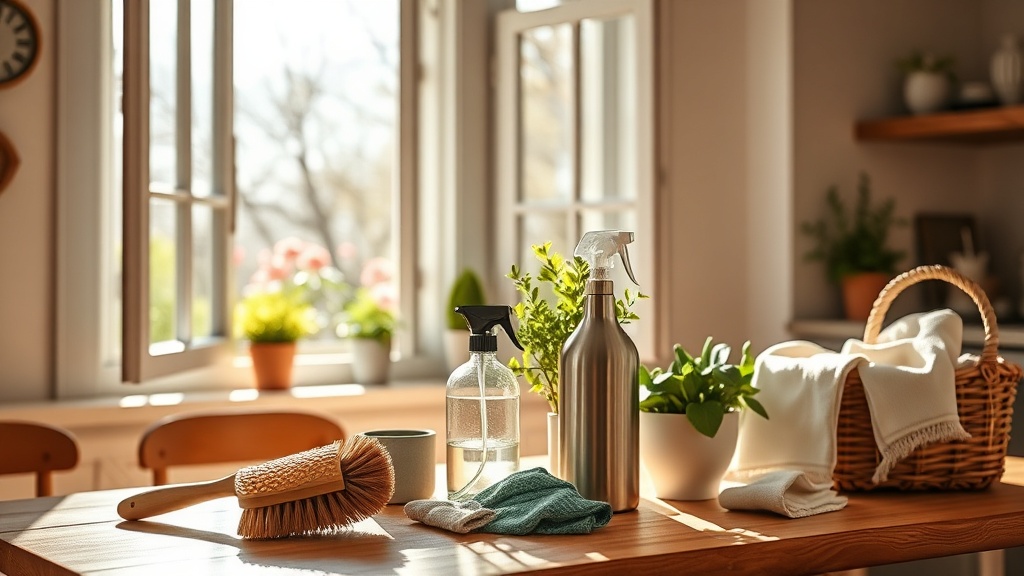
Eco‑Friendly Spring Cleaning: Practical Tips for a Zero‑Waste Home

What if you could scrub your windows and declutter your closets without adding to the landfill? Spring’s here, the sun’s brighter, and that lingering winter dust begs for a fresh start. But what if your cleaning spree also left a lighter carbon footprint? I’ve spent years in bustling European kitchens and behind the camera, learning that the smallest details—like the way a spray bottle feels in your hand—can make the biggest difference. Let’s turn that spring cleaning impulse into a sustainable habit.
Why does eco‑friendly spring cleaning matter?
Beyond the sparkle, reducing waste in the home cuts down on the chemicals that end up in our waterways and the plastic that chokes our landfills. According to the EPA’s Safer Choice program, households that switch to non‑toxic cleaners can reduce indoor air pollutants by up to 30%.
What are the essential reusable tools for a green clean?
- Bamboo scrub brushes — sturdy, biodegradable, and they don’t shed micro‑plastics.
- Stainless‑steel spray bottles — refillable, rust‑proof, and they keep your homemade solutions from reacting with plastic.
- Microfiber cloths — wash them, reuse them, and they capture dust without chemicals.
- Reusable silicone scrub sponges — perfect for dishes and surfaces, lasting years.
These tools are highlighted in my Sustainable Kitchen Essentials 2026 guide.
How can I make my own effective cleaning solutions?
Mixing up your own cleaners not only cuts cost but eliminates the hidden surfactants in many store‑bought sprays. Here are three recipes I use when I’m polishing a copper pan or wiping down a marble counter:
- All‑Purpose Citrus Spray: 1 cup distilled water, 1 cup white vinegar, zest of one lemon, a few drops of orange essential oil. Shake, spray, wipe.
- Heavy‑Duty Grease Fighter: ½ cup baking soda, ¼ cup castile soap, ¼ cup warm water. Apply with a bamboo brush, let sit, rinse.
- Glass & Mirror Shine: 2 parts water, 1 part vodka, a splash of vinegar. No streaks, no fumes.
All ingredients are pantry staples, and the recipes are sourced from the Guardian’s guide to zero‑waste cleaning.
Which areas should I tackle first for maximum impact?
Start where the most waste accumulates:
- Kitchen countertops — swap disposable wipes for a damp microfiber cloth.
- Bathroom tiles — use a reusable scrub brush instead of disposable scrub pads.
- Living‑room floors — a dry mop made of recycled fibers can replace paper towels.
By focusing on high‑traffic zones, you’ll see immediate results and stay motivated.
How can I declutter without creating trash?
Adopt the “one‑in, one‑out” rule: for every new item you bring home, donate or repurpose one you already own. Use the Zero‑Waste Kitchen guide to find creative ways to upcycle glass jars into storage containers or turn old t‑shirts into dust‑rags.
What are the best practices for disposing of old cleaning products?
Never pour chemicals down the drain. Many municipalities offer hazardous‑waste collection days—check your local EPA household hazardous waste list. If you’re unsure, the safest route is to seal the product in a recyclable container and drop it at a designated drop‑off point.
Takeaway: How to keep the momentum year‑round?
Turn this spring clean into a habit. Schedule a 15‑minute “eco‑tidy” every week: wipe surfaces with a damp cloth, empty the recycling bin, and note any items that can be repurposed. Over time, you’ll notice less clutter, fewer single‑use products, and a home that feels as fresh as the season.
Remember, the goal isn’t perfection—it’s progress. As I always say, Stay hungry, friends.