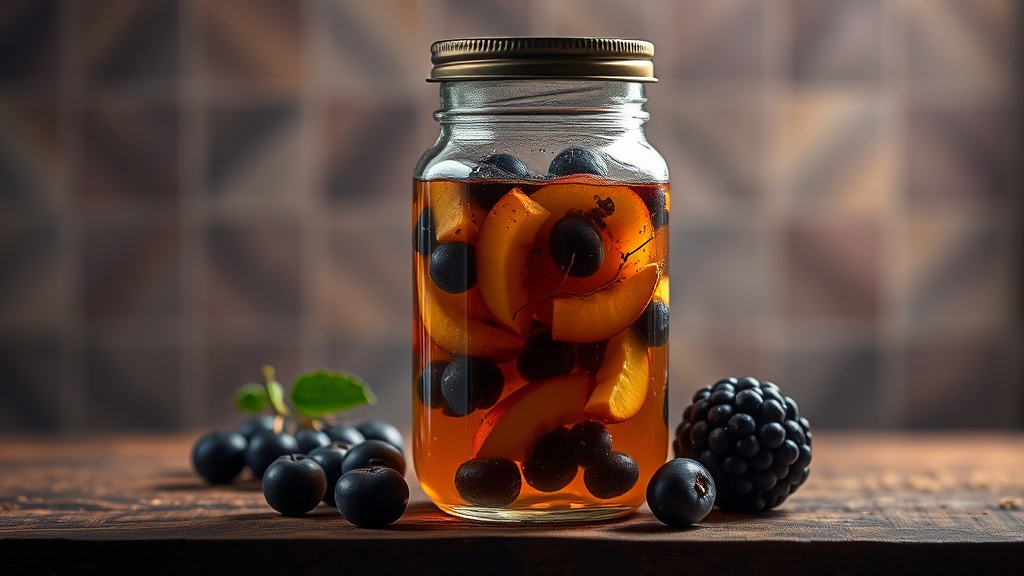
Beyond the Jar: Cultivating Your Own Artisanal Vinegar via Fruit Fermentation

This guide provides the technical framework and step-by-step instructions required to transform raw fruit, sugar, and yeast into high-quality, artisanal vinegar through two distinct stages of fermentation. You will learn how to manage the transition from alcoholic fermentation to acetic acid fermentation, the specific role of Acetobacter, and how to control acidity levels to produce a shelf-stable, complex condiment.
The Science of Acetic Acid Fermentation
Vinegar production is not a single event, but a biological relay race. It begins with alcoholic fermentation, where yeasts consume sugars to produce ethanol. Once the sugar is depleted, the second stage, acetic acid fermentation, begins. This requires Acetobacter—a genus of bacteria that oxidizes ethanol into acetic acid in the presence of oxygen. Unlike many fermentations that thrive in anaerobic (oxygen-free) environments, vinegar production is strictly aerobic. If you deprive your culture of air, the process will stall or result in off-flavors.
To achieve a professional-grade result, you must manage three critical variables: the sugar source, the oxygen supply, and the temperature. A high-quality fruit base provides the complex esters and tannins that define the final profile. While a simple cider or fruit juice works, incorporating whole fruit or even small amounts of botanical elements can deepen the structural integrity of the vinegar. For a deeper understanding of the biological foundations of this process, see our guide on fermentation 2.0 and probiotic cultivation.
Essential Equipment and Ingredients
Precision in equipment selection prevents contamination and ensures the structural integrity of the vinegar. Avoid using any metal containers, as the increasing acidity will react with the surface, leaching metallic flavors into your product. Instead, opt for glass or high-quality ceramic.
- Glass Vessels: Large Mason jars or wide-mouth glass carboys. The wider the mouth, the better the oxygen exchange.
- The "Mother": A starter culture consisting of a mature vinegar or a "mother" pellicle. This provides the necessary Acetobacter.
- Fruit Base: Organic apples, berries, or stone fruits. Ensure the fruit is free of mold or chemical residues.
- Sweetener: Raw honey, cane sugar, or high-quality maple syrup to ensure sufficient sugar levels for the yeast.
- Cheesecloth: To cover the vessel, allowing air to pass while keeping fruit flies (Drosophila) out.
The Anatomy of a Successful Fruit Base
The quality of your end product is a direct reflection of your starting material. For an apple-based vinegar, use a mix of sweet and tart varieties like Honeycrisp and Granny Smith. The tartness provides the necessary acidity to prevent spoilage during the initial stages. If using berries, ensure they are fully ripe; underripe fruit lacks the sugar density required to sustain the yeast through the first phase.
Phase One: The Alcoholic Fermentation
The objective of this phase is to convert fruit sugars into alcohol. This stage is governed by yeast, not bacteria. You are essentially creating a hard cider or a fruit wine.
- Preparation: Finely chop your fruit or juice. If using whole fruit, ensure it occupies roughly two-thirds of your glass vessel to allow for expansion and gas release.
- Sweetening: Add your sweetener to the fruit. A general rule of thumb is to aim for a sugar concentration that will result in an alcohol content of approximately 5% to 7%. For example, if using 1 liter of apple juice, adding 50g of cane sugar can help reach this threshold.
- Inoculation: Add a high-quality yeast. While Saccharomyces cerevisiae (standard brewer's yeast) is effective, a wild yeast approach using the natural skins of the fruit is possible, though more volatile.
- The Fermentation Period: Cover the vessel with a breathable cloth and secure it with a rubber band. Store the vessel in a dark, temperate area (roughly 65°F to 75°F). Monitor the bubbling activity; this is the carbon dioxide being released as the yeast consumes the sugar.
- Straining: Once the bubbling has ceased (usually 2 to 4 weeks) and the liquid is clear of active fermentation, strain out the fruit solids. You are now left with a fruit alcohol or "cider."
Phase Two: The Acetic Acid Fermentation
This is where the transformation from alcohol to vinegar occurs. This stage requires patience and, most importantly, oxygen.
Introducing the Mother
To initiate the second stage, you must introduce Acetobacter. You can do this by adding a "mother" (a thick, gelatinous disc found in raw, unpasteurized vinegar) or by adding a significant volume of a high-quality, raw apple cider vinegar. The vinegar acts as a starter culture, seeding the liquid with the bacteria needed to oxidize the ethanol.
The Aeration Technique
Because Acetobacter requires oxygen to function, you cannot seal the jar tightly during this phase. A tight lid will kill the process. Instead, use a wide-mouth jar covered with a single layer of cheesecloth. To further encourage oxygenation, you can stir the liquid gently with a wooden or plastic spoon once a day. This introduces air into the liquid and helps develop the "mother" pellicle on the surface.
Monitoring Progress
The second phase is significantly slower than the first. Depending on the temperature and the volume of alcohol, this can take anywhere from two to four months. Look for the following signs of progress:
- The Pellicle: A thin, translucent film forming on the surface of the liquid. This is the healthy growth of the mother.
- Aroma Shift: The scent will transition from the fruity, boozy aroma of the alcohol to a sharp, pungent, acidic scent.
- Acidity Testing: Use pH strips or a digital pH meter. A professional-grade vinegar should reach a pH of 2.5 to 3.5.
Troubleshooting and Refinement
Fermentation is a living process, and deviations are common. Understanding the difference between a "stalled" fermentation and a "spoiled" one is vital.
"In the kitchen, as in the studio, the difference between a masterpiece and a mistake is often found in the smallest details of the environment—temperature, airflow, and the purity of the medium."
Issue: Mold Growth
If you see fuzzy, colorful mold (black, green, or blue) on the surface, the batch has been contaminated. This usually happens due to insufficient acidity at the start or a failure to keep fruit flies out. If mold appears, discard the entire batch. A white, thin, film-like substance is normal and is likely the Acetobacter pellicle.
Issue: The Fermentation Has Stopped
If the liquid remains sweet and alcoholic without turning acidic, your Acetobacter may be dormant. This is often caused by temperatures being too low. Move the vessel to a slightly warmer spot (75°F is ideal) and ensure you are providing enough oxygen through stirring.
Issue: Off-Flavors (The "Musty" Scent)
A musty or "dirty" smell often indicates that the fruit solids were left in the liquid too long during the first phase, or that the vessel was not properly sanitized. For future batches, ensure all equipment is cleaned with boiling water or a food-safe sanitizer.
Finishing and Storage
Once your vinegar has reached the desired pH and flavor profile, it is time to stabilize it. To stop the fermentation process and prevent the vinegar from becoming overly aggressive, you must filter it thoroughly. Use a fine-mesh sieve followed by a coffee filter to remove all sediment and the mother pellicle. This results in a clear, professional-looking liquid.
For a more refined, "culinary" vinegar, you can pasteurize the liquid by heating it to 160°F (71°C) for a few minutes. This kills the remaining bacteria and stops the acid production, making the flavor profile consistent. However, if you prefer a "living" vinegar, leave it unpasteurized. Unpasteurized vinegar will contain the beneficial bacteria and the sediment that characterizes high-end, artisanal products.
Store your finished vinegar in dark glass bottles in a cool, dry place. Light and heat are the enemies of vinegar; UV exposure can degrade the complex esters you have worked so hard to cultivate. Use your artisanal vinegar to brighten heavy fats, emulsify vinaigrettes, or even as a subtle deglazing agent in pan sauces to add a bright, acidic lift to roasted meats.
Steps
- 1
Prepare Your Fruit Base
- 2
Introduce the Mother or Yeast
- 3
The Slow Fermentation Phase
- 4
Straining and Bottling