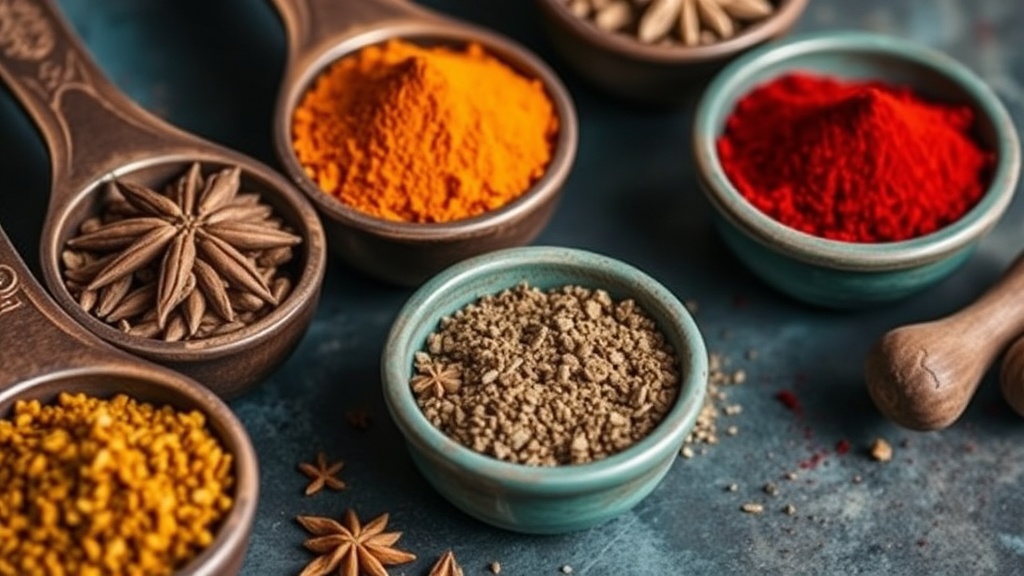
7 Rare Spices to Elevate Your Home Cooking

Green Cardamom Pods
Smoked Paprika de la Vera
Sichuan Peppercorns
Sumac Berry Powder
Star Anise
Turmeric Root Powder
Vanilla Bean Pods
This guide introduces seven rare and high-impact spices that move beyond the standard supermarket pantry to transform the flavor profiles of your home-cooked meals. You will learn the specific flavor characteristics of each spice, how to source high-quality versions, and the technical methods for integrating them into savory and sweet dishes.
1. Saffron
Saffron is the world’s most expensive spice, derived from the dried stigmas of the Crocus sativus flower. It provides a distinctively hay-like, honeyed, and slightly metallic aroma that is essential for high-end Mediterranean and Middle Eastern cooking. Because the chemical compound responsible for its flavor, safranal, is volatile, the way you extract the spice determines the success of your dish.
To use saffron effectively, do not simply toss the threads into a pan. For maximum extraction, use the technique of "blooming." Grind a small pinch of threads with a mortar and pestle, then soak them in a small amount of warm liquid—such as milk, heavy cream, or a light stock—for at least 20 minutes before adding it to your recipe. This allows the water-soluble carotenoids to fully infuse the liquid, ensuring an even, golden hue and a consistent aromatic presence in dishes like Paella Valenciana or Risotto alla Milanese.
Sourcing and Storage
Look for long, deep-red threads. If the saffron contains many yellow or orange filaments, it is likely low-grade or adulterated with safflower. Store your saffron in a cool, dark, airtight container to prevent the oxidation of its essential oils.
2. Sumac
Sumac is a deep-red, tangy spice made from the dried and ground berries of the sumac shrub, common in Middle Eastern cuisine. It offers a bright, acidic punch that mimics the sensation of lemon juice but with a more complex, earthy undertotone. It is a critical tool for balancing heavy, fatty dishes without adding liquid, which can ruin the texture of a sear or a crust.
Use sumac as a finishing spice rather than a cooking spice. Sprinkle it over roasted vegetables, such as cauliflower or carrots, immediately after they come out of the oven. It is also highly effective when paired with red onions for a quick pickle or used to season grilled proteins like lamb or chicken. The acidity cuts through the richness of the fat, much like how a splash of high-quality vinegar provides lift to a heavy sauce.
Application Tip
Avoid cooking sumac in high-heat fats for long periods, as the high acidity and delicate oils can become bitter. Instead, use it to brighten up hummus, labneh, or a simple yogurt sauce.
3. Grains of Paradise
Grains of Paradise are the seeds of the Aframomum plant, native to West Africa. While they resemble black peppercorns, their flavor profile is significantly more sophisticated. They offer a sharp, peppery heat combined with notes of cardamom, citrus, and a subtle hint of jasmine. This makes them a versatile tool for both savory and sweet applications.
Because these seeds are relatively hard, they should be toasted lightly in a dry pan before being ground in a pepper mill or a spice grinder. This heat activates the essential oils and softens the woody texture. They are exceptional when used in a dry rub for steak or when incorporated into a spice blend for roasted poultry. In baking, they can replace or augment cardamom in shortbread or spiced cakes to add a sophisticated, citrusy warmth.
Pairing Suggestion
Try grinding Grains of Paradise with sea salt and cracked black pepper to create a custom seasoning for grilled seafood or roasted root vegetables.
4. Mahleb
Mahleb is a spice blend made from the kernels of the St. Lucie cherry. It possesses a unique flavor profile that sits at the intersection of bitter almond and cherry. The aroma is deeply floral and nutty, making it a staple in Eastern Mediterranean and Greek baking. It is more complex than standard almond extract, offering a nuanced, slightly savory edge to sweet doughs.
Mahleb is almost exclusively used in baking. It is the "secret ingredient" in traditional breads like Challah or Greek Tsoureki. To use it, grind the hard kernels into a fine powder using a spice grinder or a mortar and pestle. Incorporate the powder directly into your flour mixture when making enriched doughs. The heat of the oven will release the cherry and almond aromatics, creating a deeply fragrant crumb.
Technical Note
Because the kernels are quite hard, ensure they are ground into a very fine powder. Large fragments can create an unpleasant, gritty texture in delicate pastries.
5. Urfa Biber
Urfa Biber is a Turkish chili flake that has undergone a specific curing process. The chilies are dried in the sun and then heated to develop a dark, almost black color and an oily texture. The flavor is not just "hot"; it is deeply smoky, raisin-like, and slightly chocolatey. It provides a slow, creeping heat rather than an immediate sting.
The beauty of Urfa Biber lies in its ability to add depth to savory bases. It is excellent when stirred into a ragu or a lentil soup toward the end of the cooking process. It also works exceptionally well as a finishing touch on roasted vegetables or even in savory chocolate desserts. Because of its oily nature, it can also be infused into olive oil to create a dramatic, dark-hued finishing oil for grilled meats.
Usage in Savory Dishes
Use it to add "bass notes" to your seasoning. If a dish feels one-dimensional or lacks a savory "bottom," a teaspoon of Urfa Biber can provide the missing complexity.
6. Long Pepper
Long pepper (Piper longum) is a relative of the common black peppercorn, but it is much more potent and structurally different. It features a cylindrical, cone-shaped appearance and delivers a heat that is more nuanced and lingering. The flavor profile includes notes of cinnamon, nutmeg, and cloves, providing a much more "rounded" heat than standard peppercorns.
Long pepper is a structural spice. It is best used by grating the whole dried spike directly over a dish using a microplane or a fine grater. This allows for a more controlled application of heat and flavor. It is particularly effective in slow-cooked stews, braises, and heavy sauces where the spice can meld with the fats and proteins over time. It also elevates the flavor of spiced chocolate or spiced infusions for coffee and tea.
Storage Tip
Keep the whole spikes in an airtight container. Only grate what you need immediately before serving to ensure the volatile aromatic compounds remain intact.
7. Amchur
Amchur is a pale yellow powder made from dried, unripe green mangoes. It is a staple in Indian cuisine, providing a sharp, astringent tartness without the moisture of citrus juice. This makes it an indispensable tool for achieving acidity in dry spice rubs or thick sauces where adding liquid would compromise the consistency.
Amchur is highly effective at cutting through the richness of legumes and heavy fats. Use it in dal, vegetable curries, or as a seasoning for roasted potatoes. It is also a key component in many dry spice blends used for street foods. Because it is a powder, it integrates seamlessly into dry rubs for meats, providing a bright, acidic lift that helps tenderize the surface of the protein during cooking.
Cautionary Note
Amchur can be quite potent. Start with small quantities, as an excess can lead to a harsh, overly astringent taste that overwhelms other delicate spices in your dish.