10 Essential Cooking Techniques Every Home Cook Should Master

Cooking is as much about craft as it is about art. If you’ve ever marveled at the precision of a well-seared steak or wondered what exactly gives a sauce its rich depth, then this listicle is for you. These 10 cooking techniques will elevate your skills, no matter your level in the kitchen. Ready to make your cooking feel like second nature? Let’s dive into these foundational methods.
1. Searing: The Art of the Crust
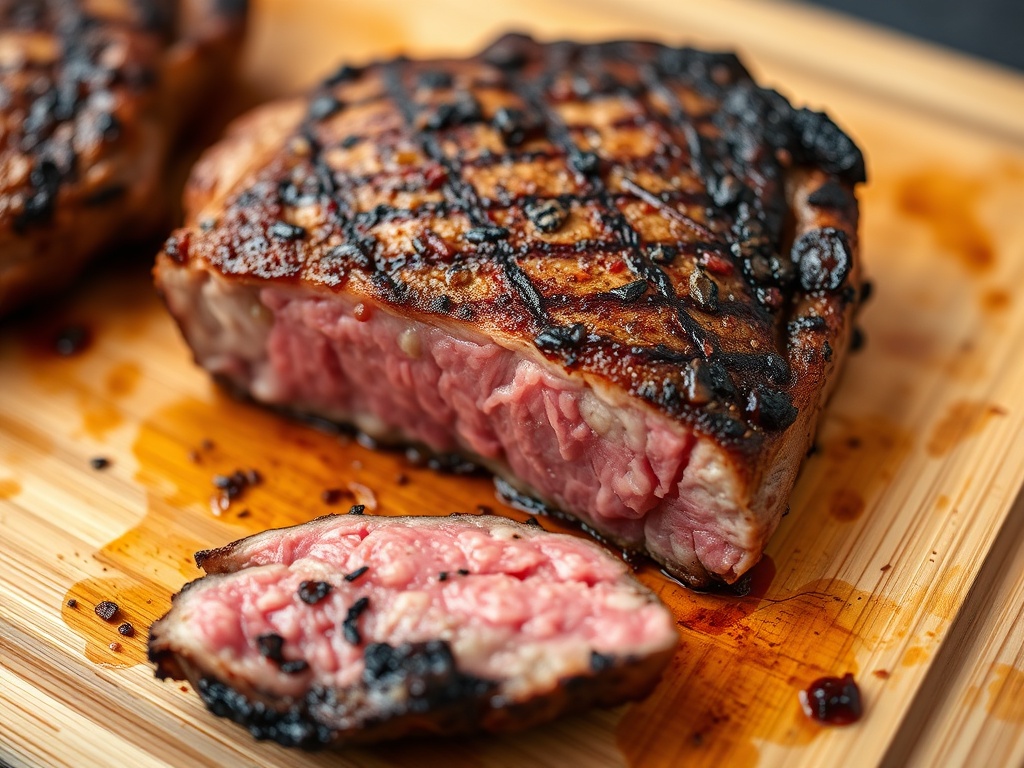
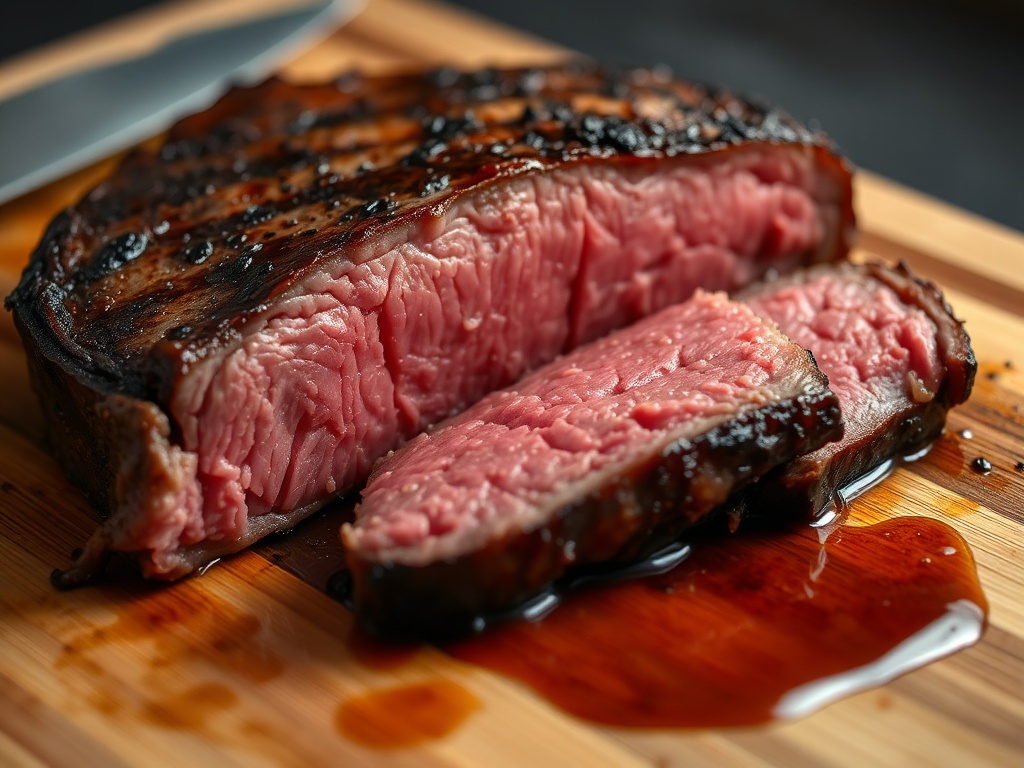
Searing is more than just a quick way to cook meat; it's the technique that builds flavor through the Maillard reaction. When you sear a piece of meat, the high heat creates a crust that's rich in caramelized sugars and savory notes. But searing isn’t just for steaks. Think of searing as the foundation of everything from roasted vegetables to seared fish.
2. Sous-Vide: Precision Cooking
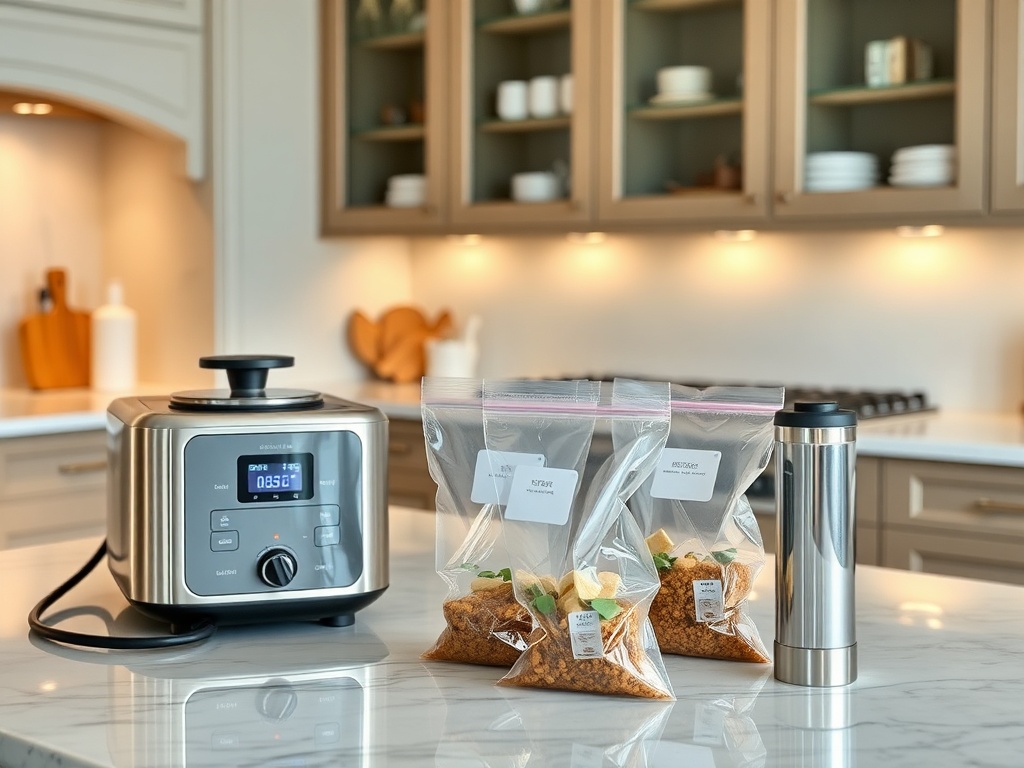
Sous-vide—cooking food in a vacuum-sealed bag in a water bath—might sound technical, but it’s incredibly simple once you get the hang of it. The beauty of sous-vide lies in its ability to cook proteins to the exact level of doneness you desire without the risk of overcooking. With the right equipment, you can make tender, perfectly cooked chicken, steak, and even vegetables with ease.
3. Deglazing: The Flavor Boost
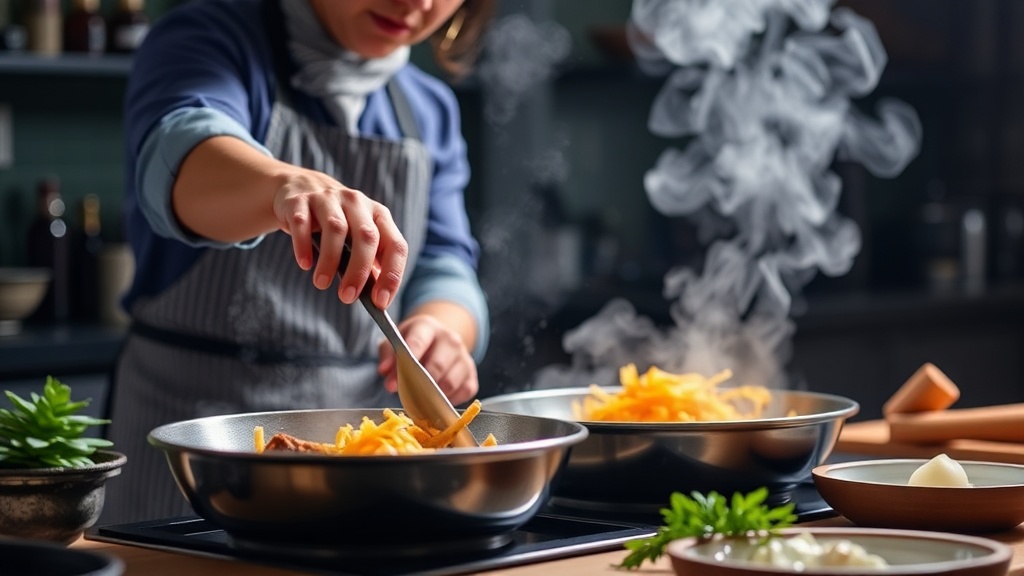
Once you’ve seared meat or vegetables in a pan, don’t throw that leftover fond (the crispy bits) away. That’s where the flavor is. By deglazing the pan with liquid (wine, stock, or even water), you lift those flavors off the pan and create a base for sauces or gravies.
4. The Power of Resting Meat
After cooking meat, let it rest. This crucial step allows the juices to redistribute throughout the meat, making each bite more flavorful and tender. This is especially important for steaks, roasts, and poultry.
5. Emulsifying: The Sauce That Holds
Emulsification occurs when two ingredients that normally don’t mix—like oil and vinegar—are combined into a smooth, stable sauce. Think vinaigrettes, hollandaise, or mayonnaise. The key to a good emulsion? Patience and a steady hand.
6. Braising: Low and Slow
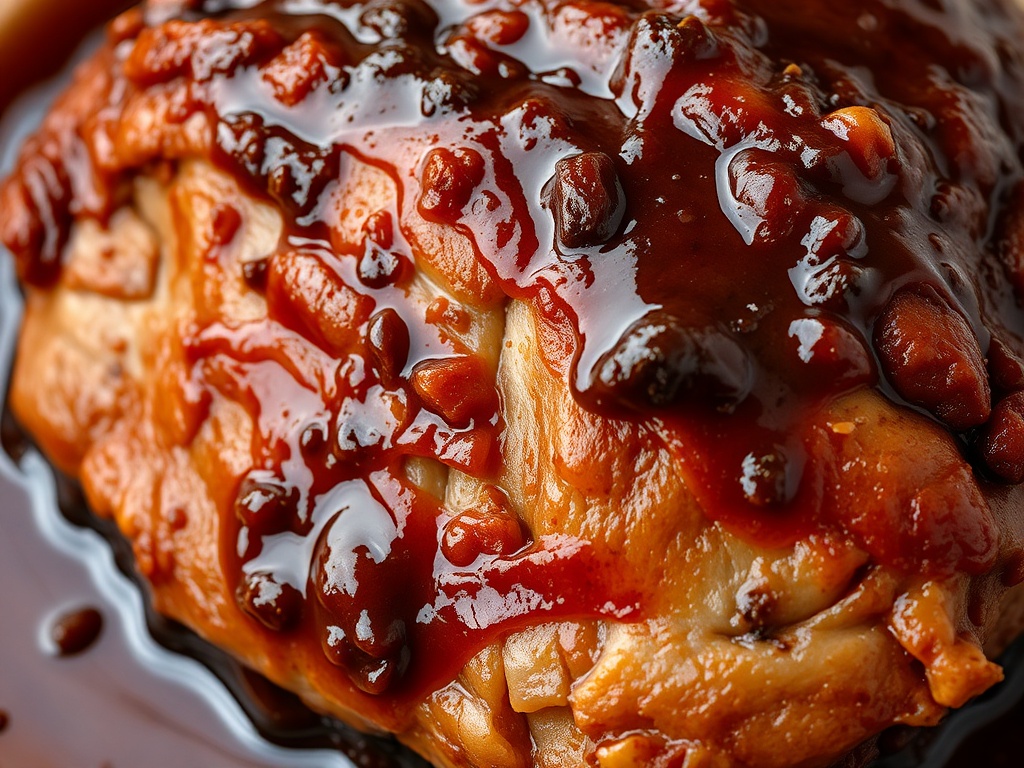
Braising combines two key techniques: searing and slow-cooking. It’s perfect for tougher cuts of meat like short ribs, brisket, or pork shoulder. By cooking the meat slowly in liquid, it becomes tender and flavorful over time. Braising is an excellent way to create comforting, hearty meals.
7. Blanching and Shocking: Perfect Vegetables Every Time
Blanching involves boiling vegetables for a short time and then shocking them in ice water. This method locks in their color, flavor, and nutrients while preventing them from becoming overcooked. It’s an essential technique for preparing vegetables for freezing or simply preserving their freshness.
8. Roasting: Elevate Everything
Roasting is an incredibly versatile technique. Whether it’s vegetables, meats, or even fruit, roasting intensifies the natural sweetness and creates a crispy texture that’s hard to beat. The key? High heat and patience.
9. Steaming: The Gentle Heat
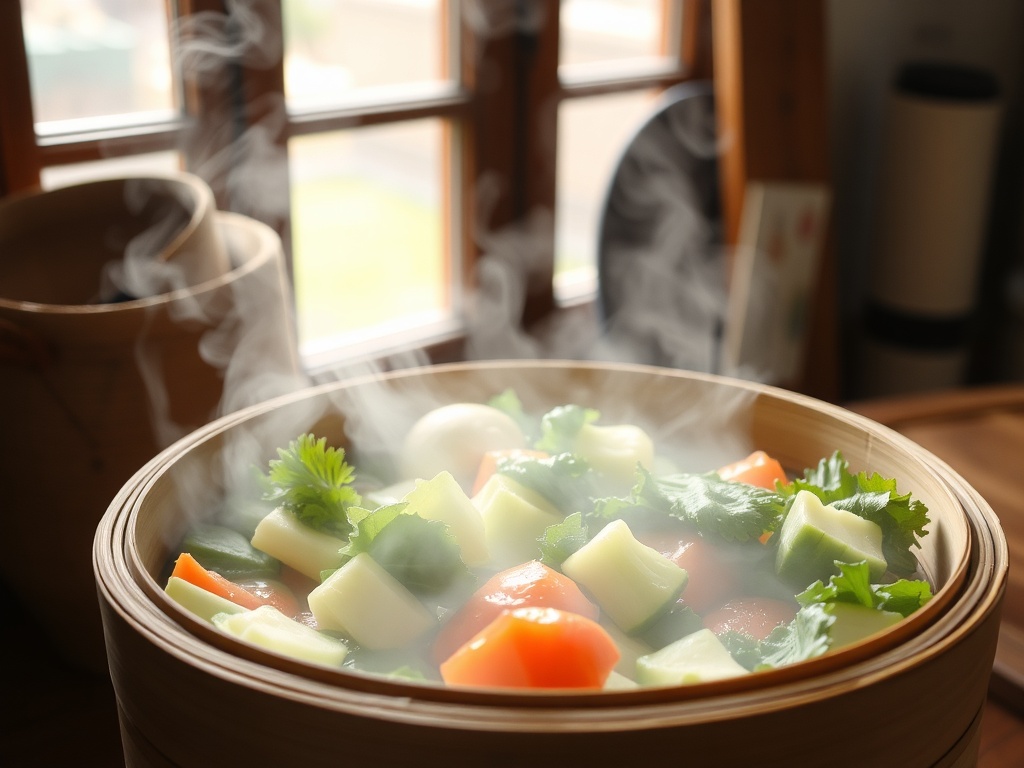
Steaming is one of the healthiest ways to cook, preserving the integrity of your ingredients without adding fat. This method works for everything from seafood to dumplings and vegetables. Steaming allows the food to cook in its own juices, which helps retain nutrients and flavors.
10. The Mise en Place: Setting Yourself Up for Success
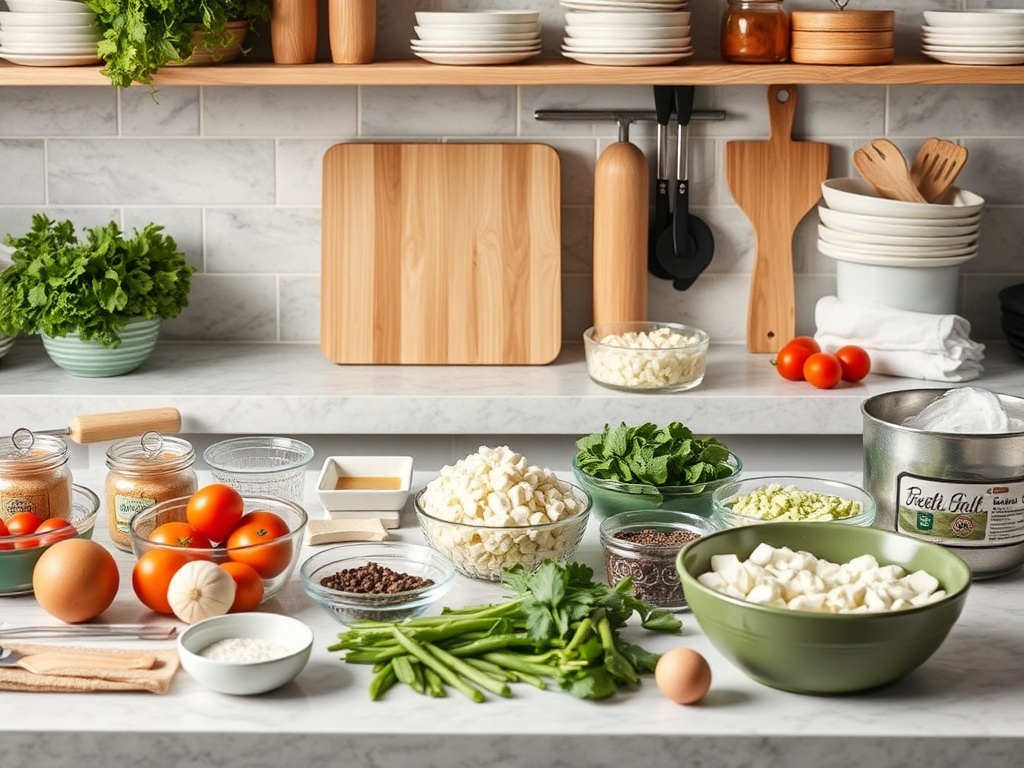
While not technically a cooking technique, mise en place (everything in its place) is the backbone of a professional kitchen. Organizing your ingredients before you start cooking ensures that you can work efficiently and stay focused on the task at hand. It’s the secret to a smooth cooking experience.
Master these 10 cooking techniques, and you’ll find yourself a more confident, capable cook. Whether you’re creating a simple weeknight dinner or tackling a more complex dish, these methods are the foundation of great meals. Happy cooking!